Cape Coast Castle,Ghana,West-Africa

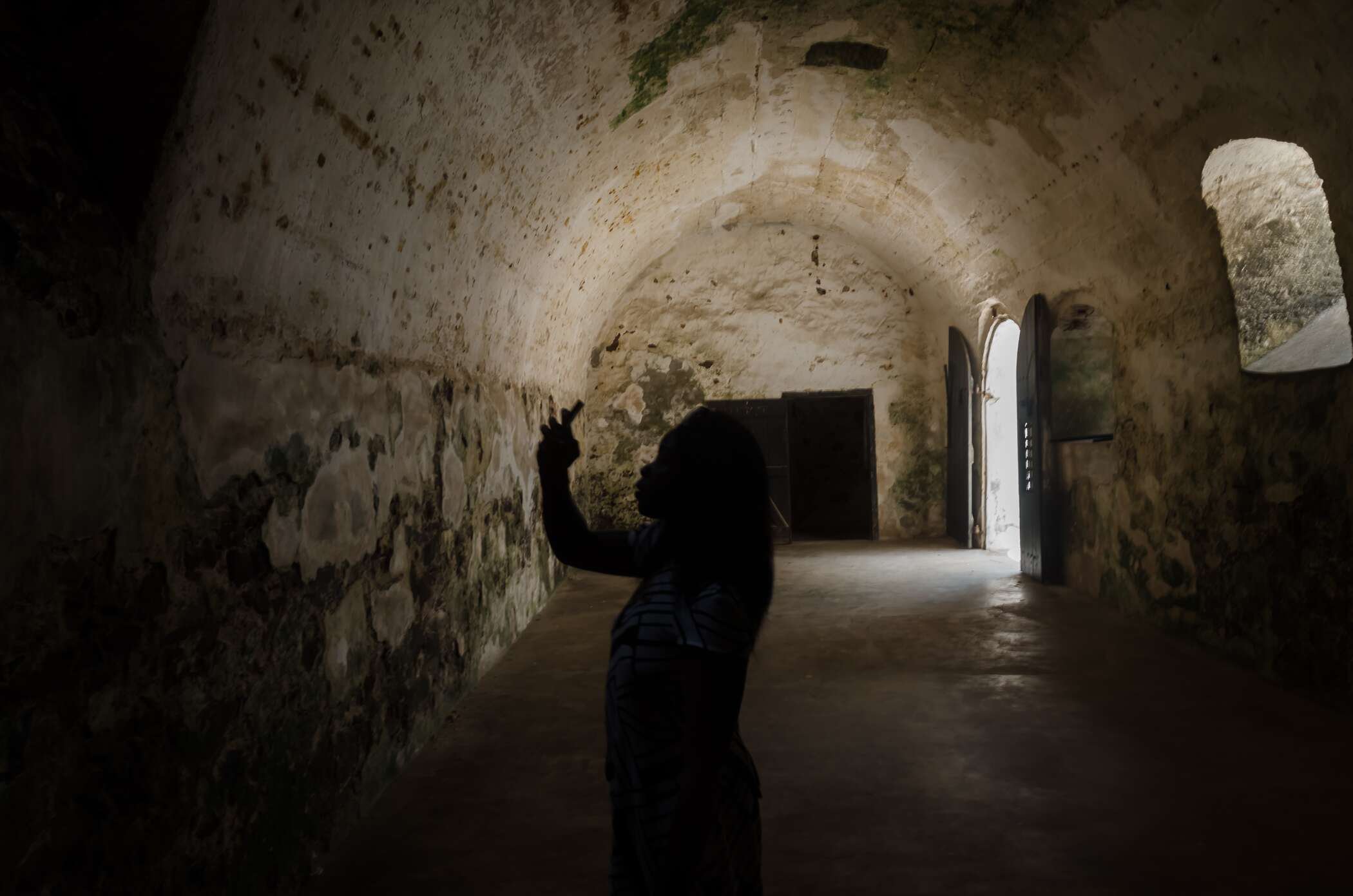
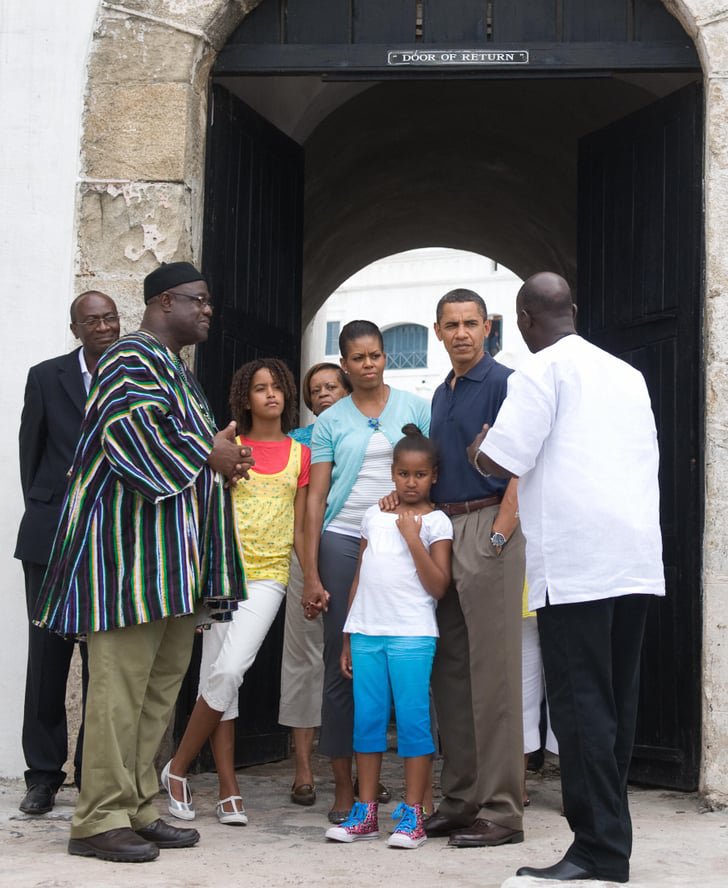
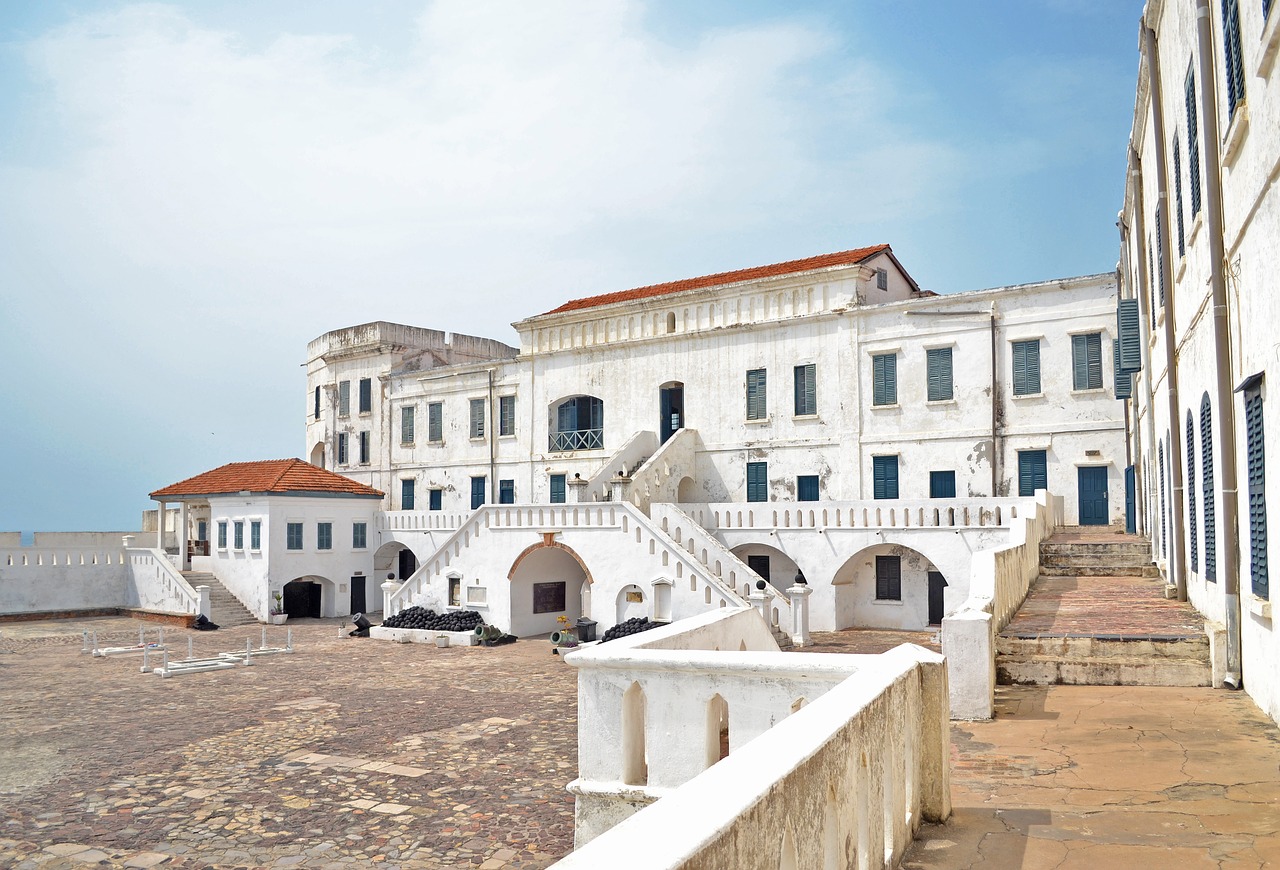
The Cape Coast Castle is a European-built fortress situated in the central region of Ghana in West Africa.Since its initial construction in 1652, the Castle served as a trading hub between European nations and the African locals.
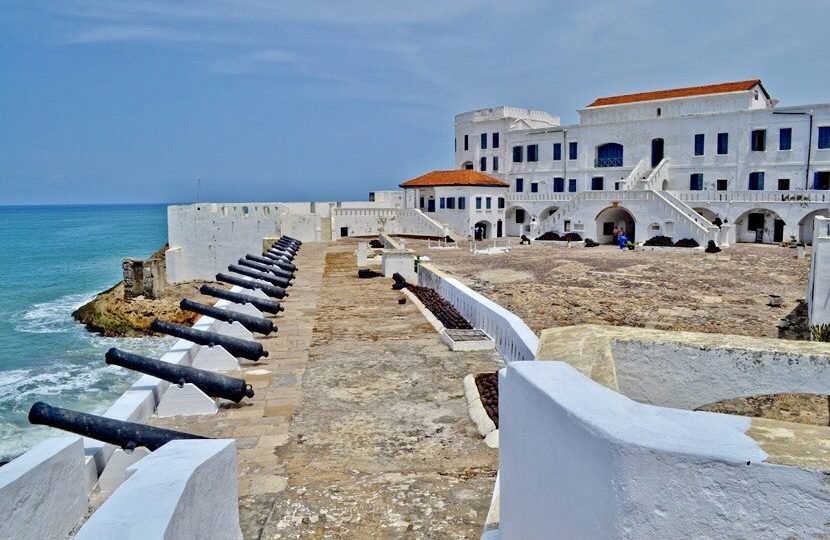
Trade was primarily focused on textiles, lumber, and gold until English businessmen started to hunt for huge quantities of African slaves. The castles increasingly imprisoned slaves, who were turned into yet another commodity after holding gold, ivory, and other goods.
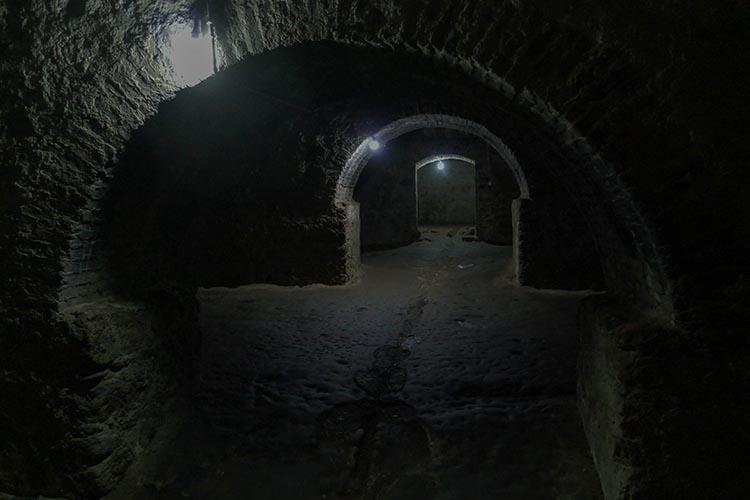
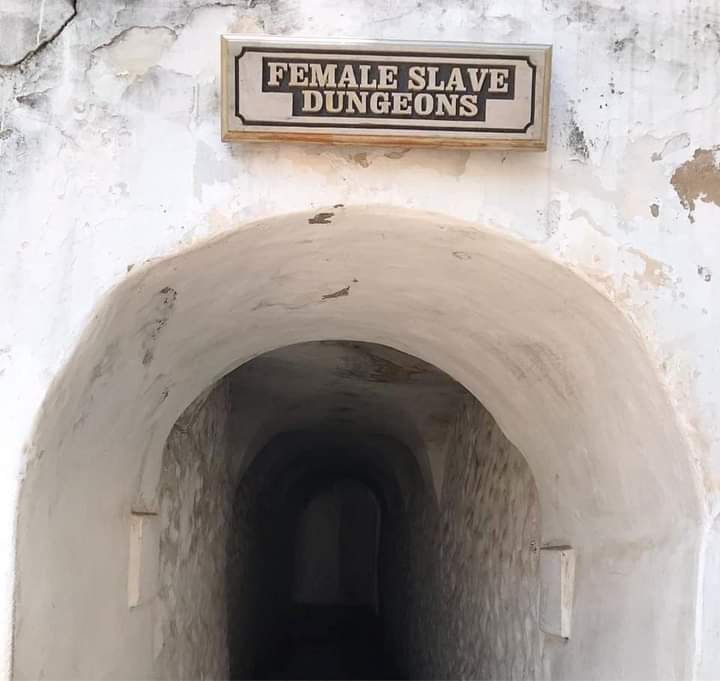
Up until the slave trade was progressively outlawed by all of the colonial powers in the first part of the 1800s, the Cape Coast,Elmina Castle and many others along Ghana’s beautiful coast contained terrible dungeons filled with agony and despair. However, at the time,the irreparable and incalculable damage had already been done, and it is estimated that six million slaves had been exported from West Africa alone. During the so-called Middle Passage, about 10-15% perished at sea and never arrived at their intended destination.
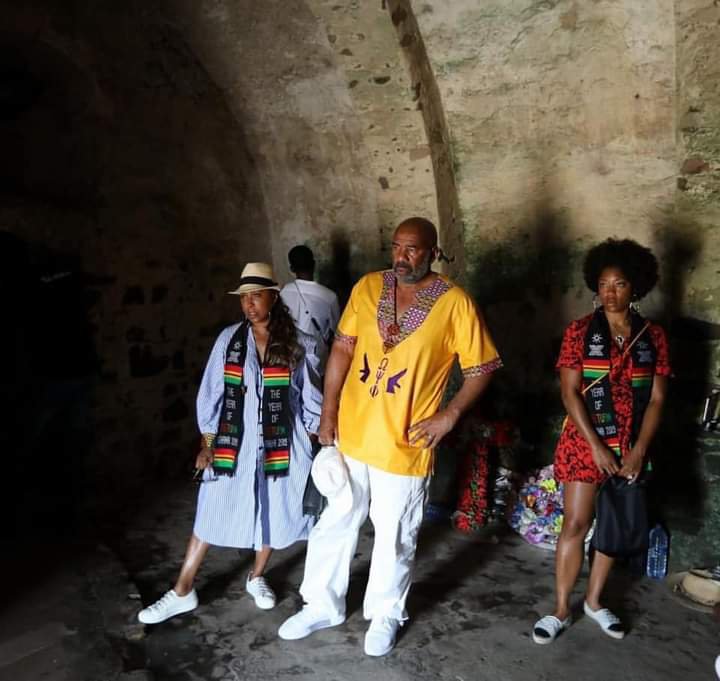
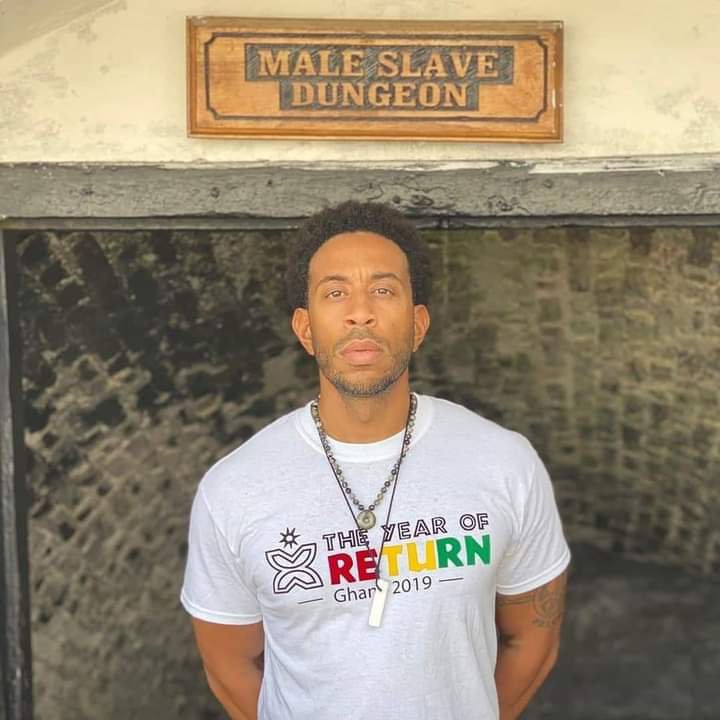
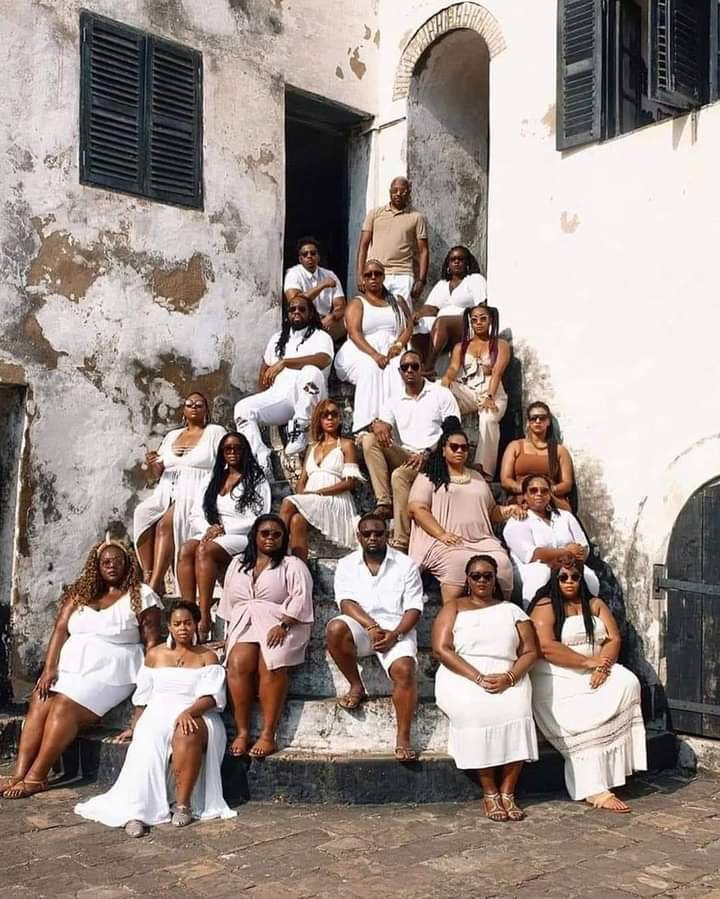
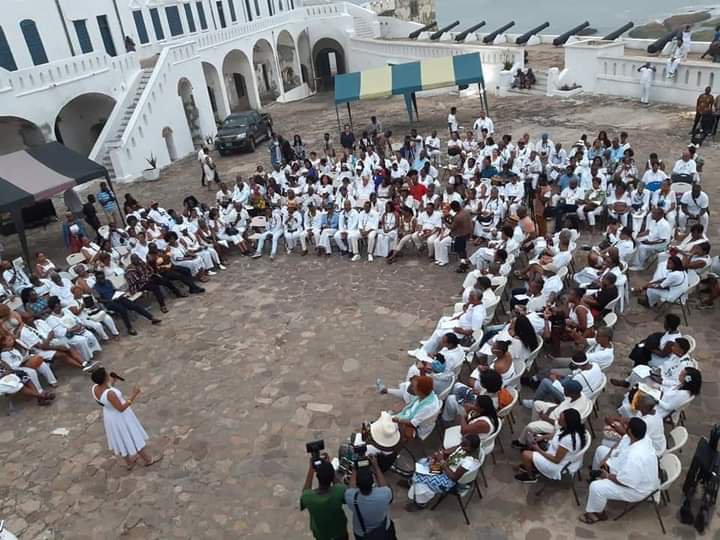
Every year, Ghana welcomes hundreds of thousands of visitors of African descent from other continents who come to learn more about history,seek their lost family heritage and as well enjoy a great deal of more.
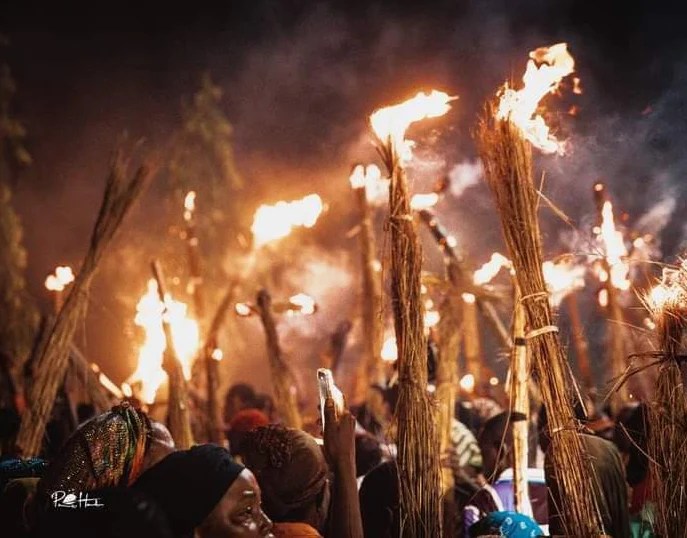
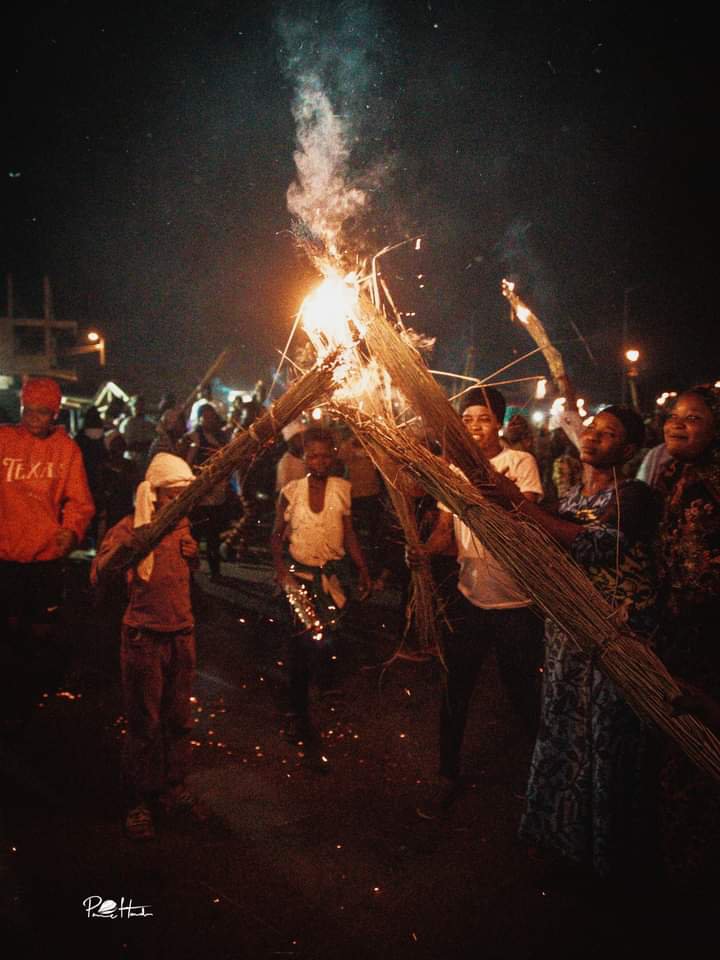
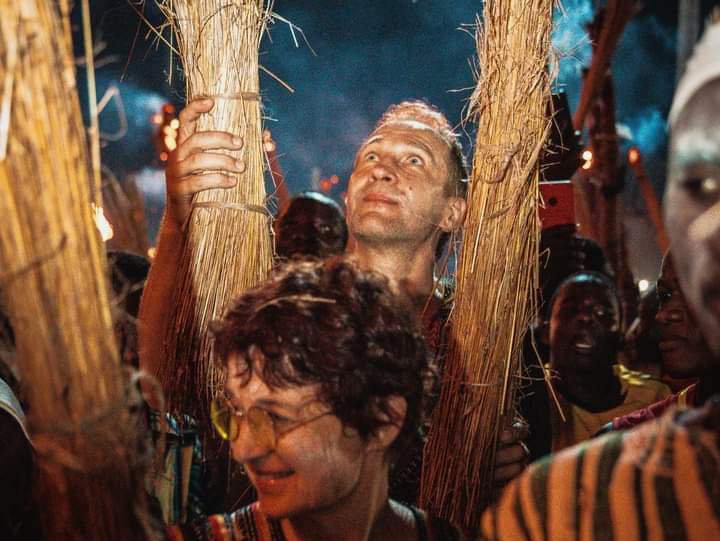
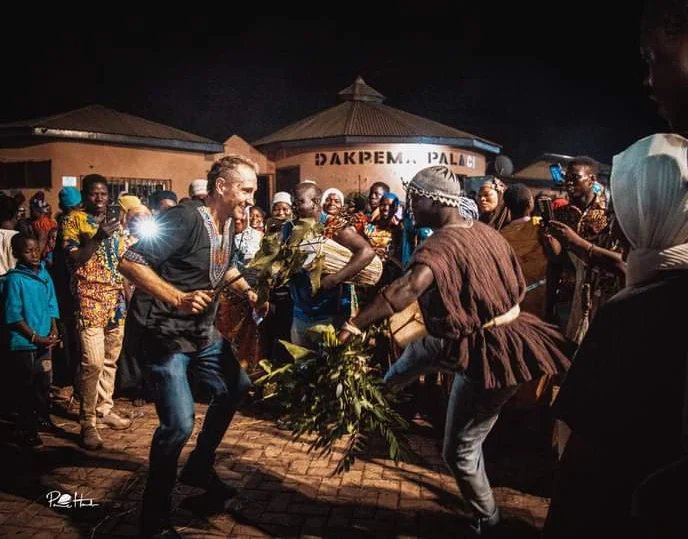
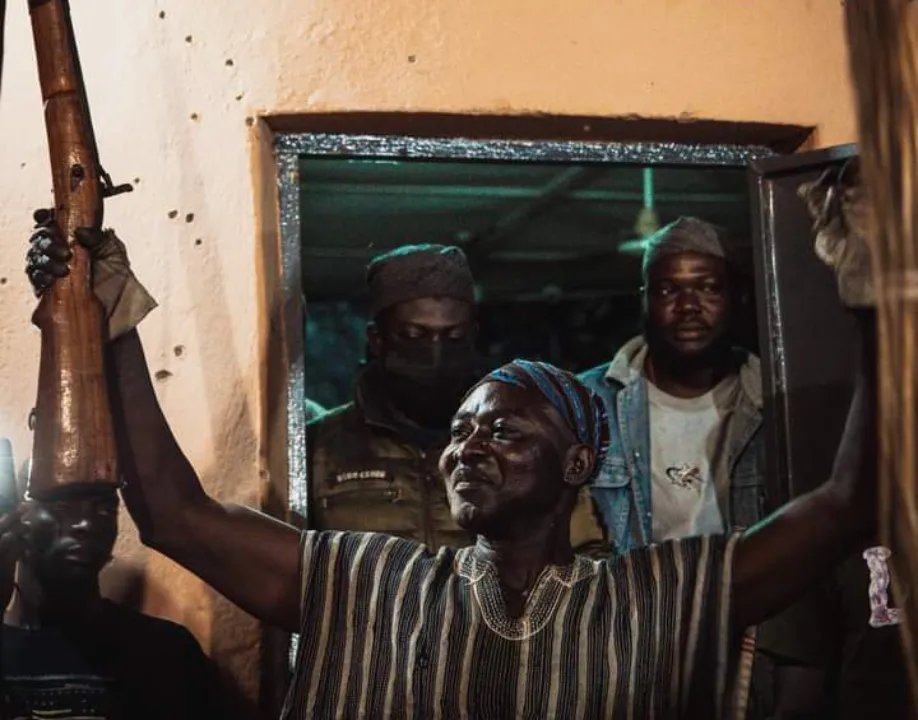
Bugum or Fire festival in Ghana.

Scenes from the 2022 edition of Bugum or Fire festival in Ghana.

The Bugum or fire festival is celebrated by the people within the Mole-Dagbani kingdom in the Northern part of Ghana, West Africa.It is celebrated on the ninth day of the first month of the traditional Lunar year.


This joyous occasion is celebrated in recollection of how the disappearance of the prince, the son of a famous Dagbon Chief, forced the community to go in search for him. They were reportedly required to light straws when night fell while shouting, drumming, and singing battle songs. They finally located the prince after a lengthy search, soundly dozing under a tree .They thereafter sent him to the palace, where the chief declared the aforementioned tree to be evil.

In order to replicate this historical occurrence, the festival is celebrated with drums, singing battle songs, and lit-up straws.

The promotion of peace, togetherness, and oneness among the Dagbon people, as well as the preservation of their rich cultural heritage, are important goals of this celebration as well.
📸@princehamdanbanang

africa #promoteafrica #africanculture #africantradition #fire #nature #africamotherland #photography #Ghana #bugum #iloveafrica #africaishome #nativeafrican #richhistory #richculture

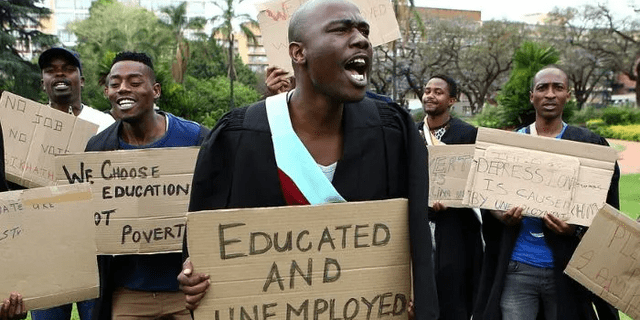
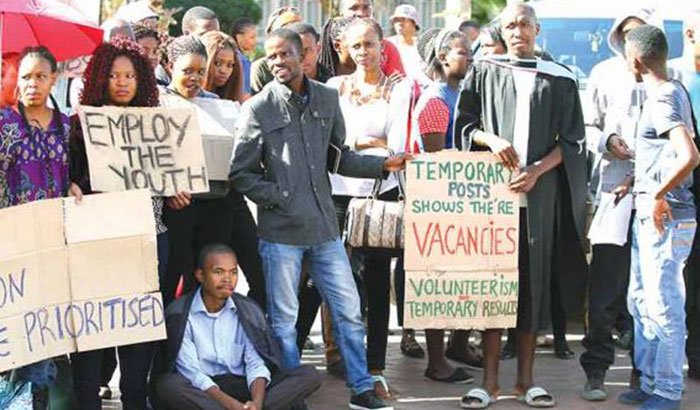
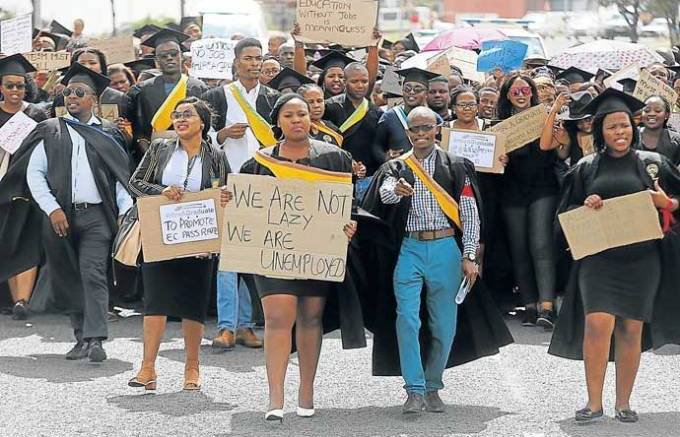
If African Governments are Not Ready to Create More rooms and Ideas to Employ Graduates or Youth,They Can Close down Tertiary Institutions.

There is growing trend in some African countries where graduates from various institutions who have received knowledge in various aspect boost the human resources capacity and productivity in those countries are into the informal sector or other trading activities for survival.This mostly occur because their system had failed to provide rooms where their childhood dreams could come into reality.

Frankly it is innovative on the half of these graduates who have lost hope in the systems and governments after writing several applications without getting employed to do something for survival.However, it should not always be the order of the day.Policy makers should not always be pampered.In fact it will not make sense for someone who dreamt of been an accountant and serve humanity through this work to end on the street selling bread for survival after working so hard through all levels of education…

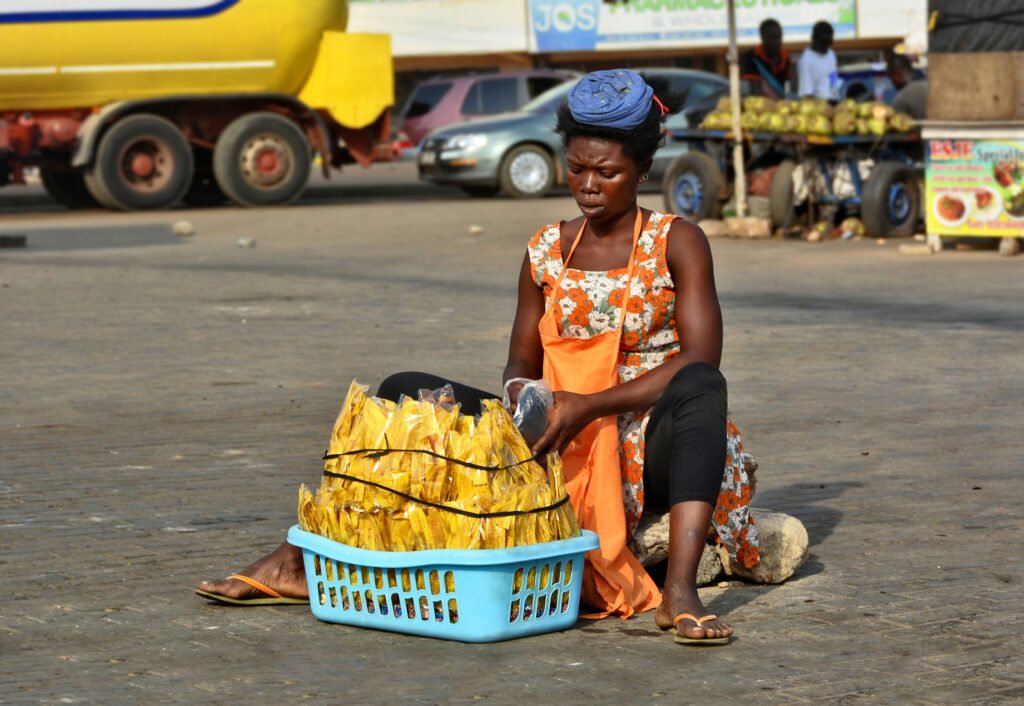
The dream of that African child must become a reality and give hope for upcoming ones.I do not tolerate mediocrity and therefore I will not and never go with that popular saying delivered into the minds of many African citizenry by politicians that “students do not only go to school to sit in offices but to learn to survive”.That’s a stupid anthem that should be thrown into the biblical lake of fire.It does not make sense and I repeat it won’t make sense for graduates with different qualifications in the formal sector to end up on the street selling doughnuts unwillingly.

Will it make sense to go to a bank and not meet anyone there because everyone is selling doughnuts, Will it make sense when you go to the hospital and it is empty because everyone is on the street selling dresses? Will it make sense to to meet empty public and private offices? No malls in operations? No Engineers to drill petroleum,etc.If no then it should not make sense for graduates who should occupy those offices,serve humanity and boost productivity in countries to be “forced” to sell on the street for survival.It goes a long way not to affect the just the graduate but the nation as well.

And let us not deny the fact that these issues of mass unemployment is the order of the day in failed system and African leaders in those countries should accept the blame,feel ashamed and eat a humble pie.And afterwards do their possible best to deliver those campaign promises on Youth Employment.If there is a high employment rate in any country..

The leaders must blamed.And if the formal sector of no use to those countries anymore,they should close down all tertiary institutions and create rooms for their human resources to be trained in only informal sectors.At least parents,Guardians,students, can save that money and invest into those sectors.

#employtheyouths #activism #africa #unemployment #nogentility #firethem #TellItAll

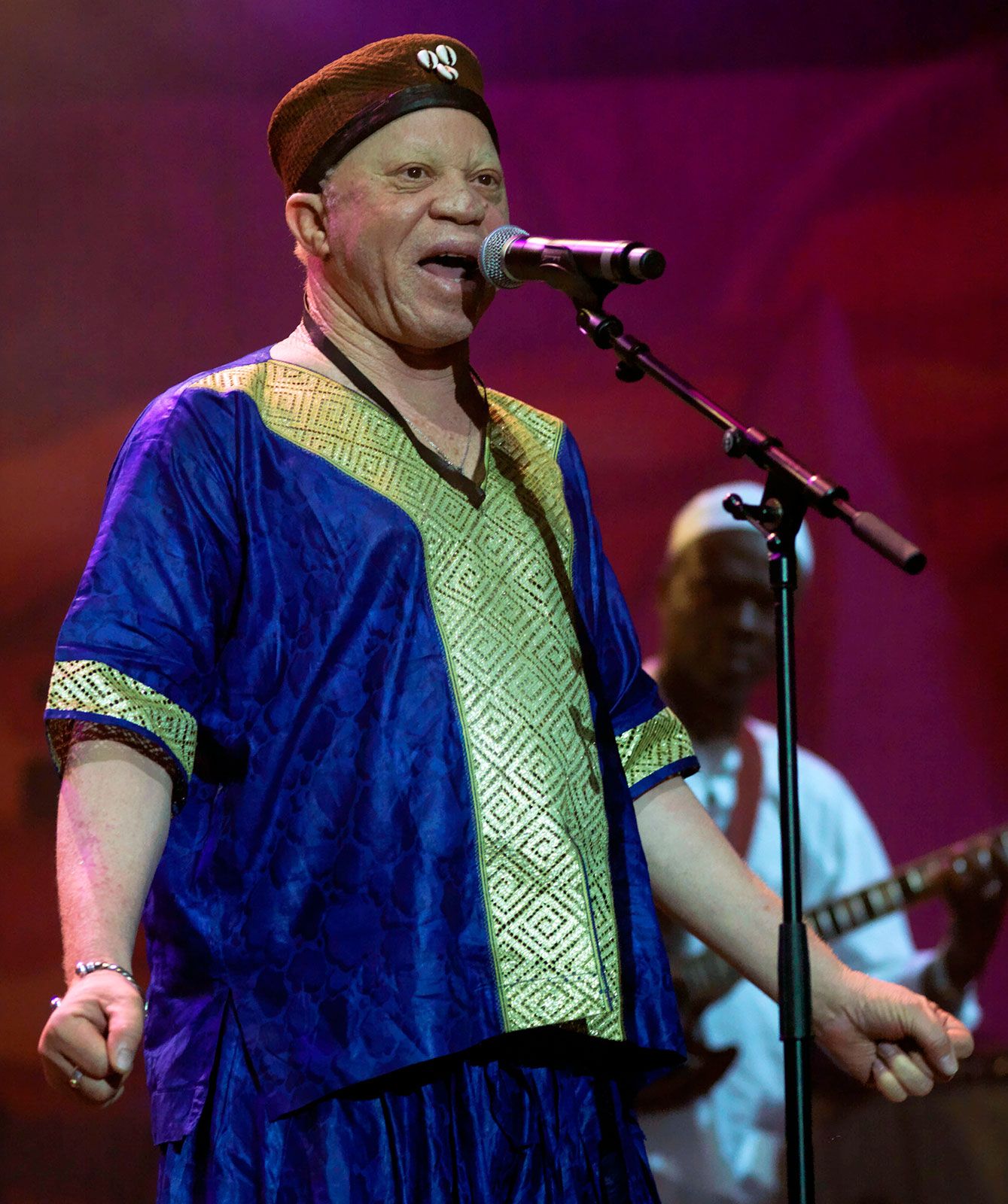
What You Need to Know about Salif Keita (The Golden Voice of Africa)

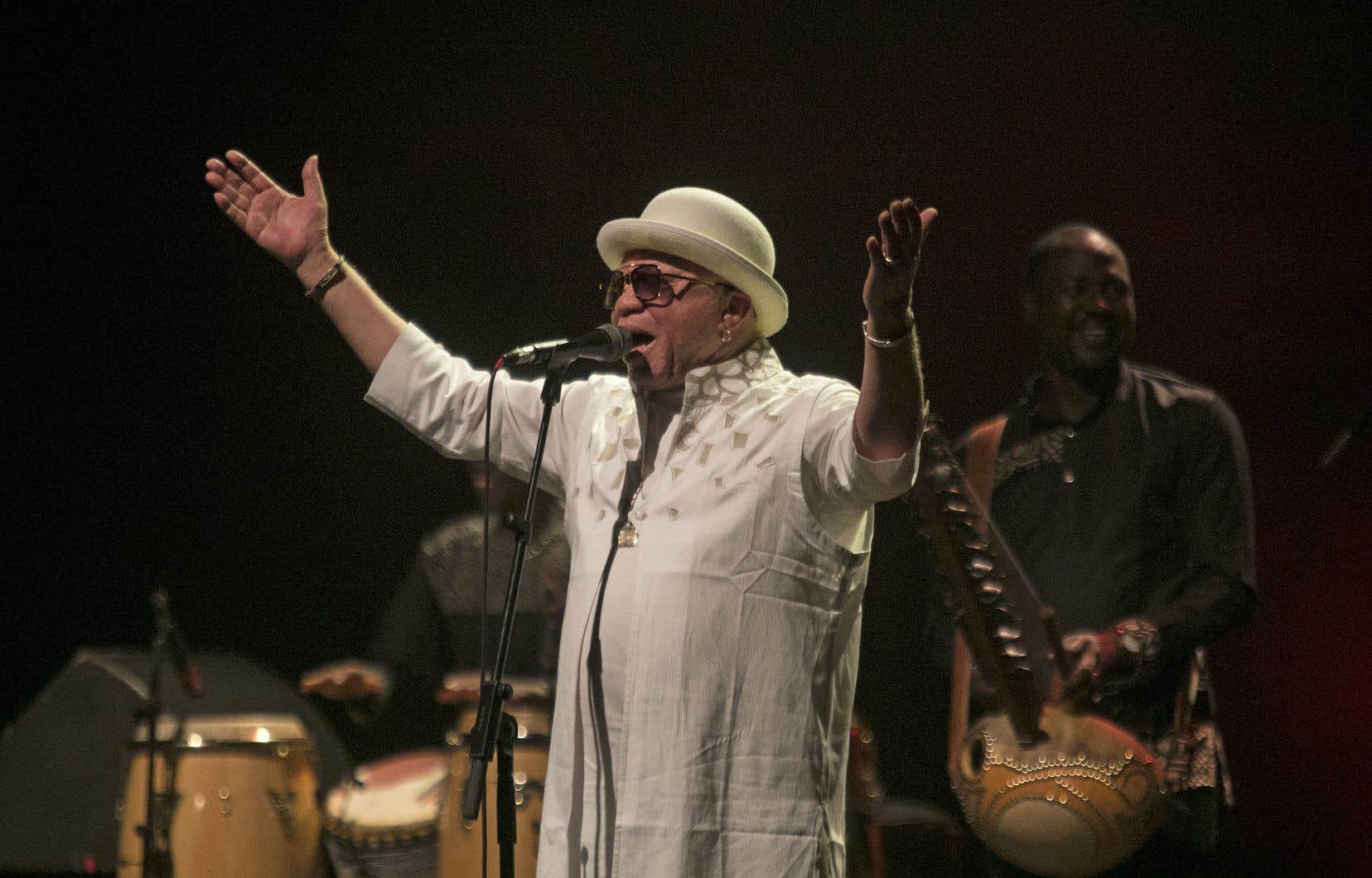
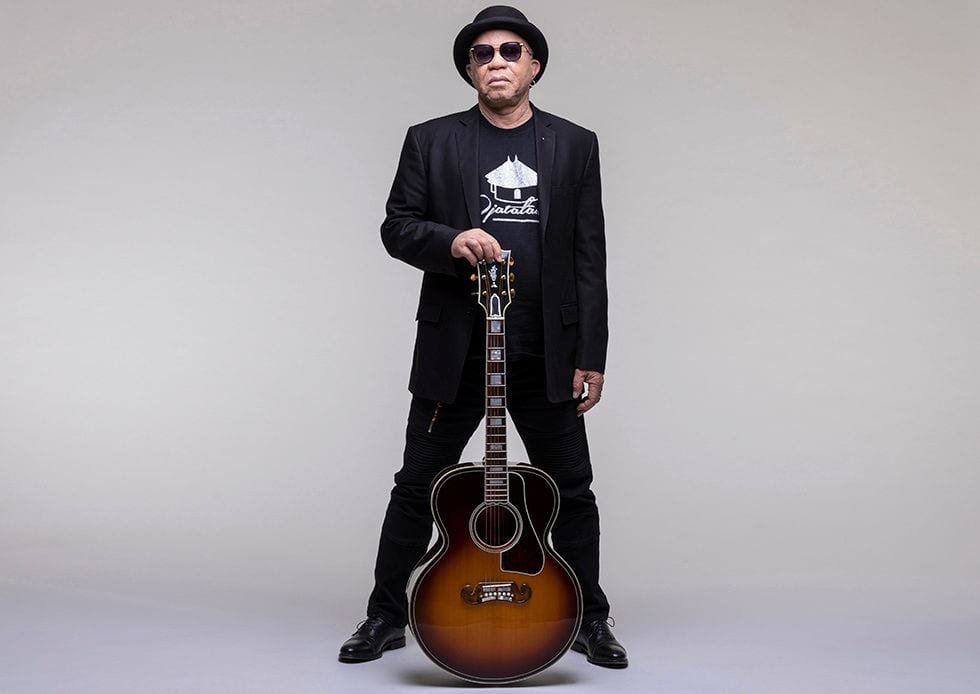
Salif Keta, known as the “Golden Voice of Africa,” is a Malian singer and songwriter who was born on August 25, 1949. He is known for pioneering the Afropop dance music genre through the fusing of elements in a variety of regional African music, particularly Mande music cultures, with jazz, rhythm and blues, and other international popular music forms.

Though  a direct descendant of Sundiata Keita, who established the Mali empire, Salif Keita was shunned by his neighbors and exiled by his family because he was born with albinism, which is considered a curse in Mandinka tradition.

He joined the Super Rail Band de Bamako, a band supported by the government, after moving to Bamako the Malian in his teenage years. He joined Les Ambassadeurs at the beginning of the 1970s, fleeing Mali with them during a time of upheaval, and built a solid reputation as an appealing live act as they toured different regions of Africa. Keita relocated to Paris in the 1980s, where he used a variety of instruments, including saxophones, koras, djembes, and balafons, to combine the rhythmic music of his West African heritage with European influences.

He later rose to prominence as one of the first African music singers who contributed to the spread of world music throughout Europe and America, despite facing criticism for his glitzy productions in some areas. After recording his critically praised Mouffou album in Mali again, Keita built his own studio to record his 2005 album M’Bem.

Salif Keita is currently regarded as one of Africa’s most influential and respected musicians. The most common moniker for him is “The Golden Voice of Africa.”.
Africa (1995), Madan (2002), Yamore (2002), Tomorrow, Yay Boy, and Tonto are a few of his creations.

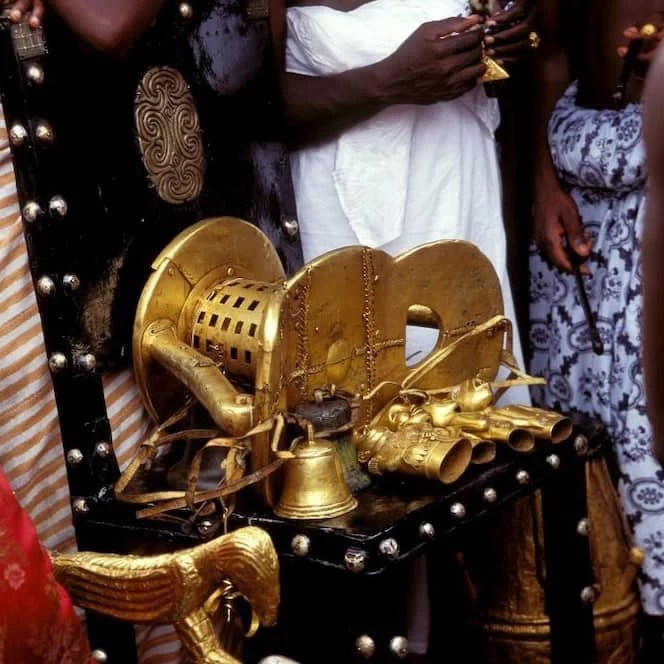
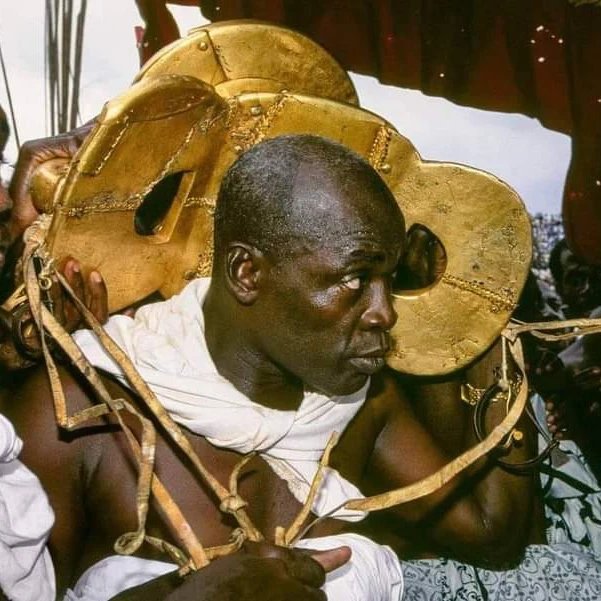
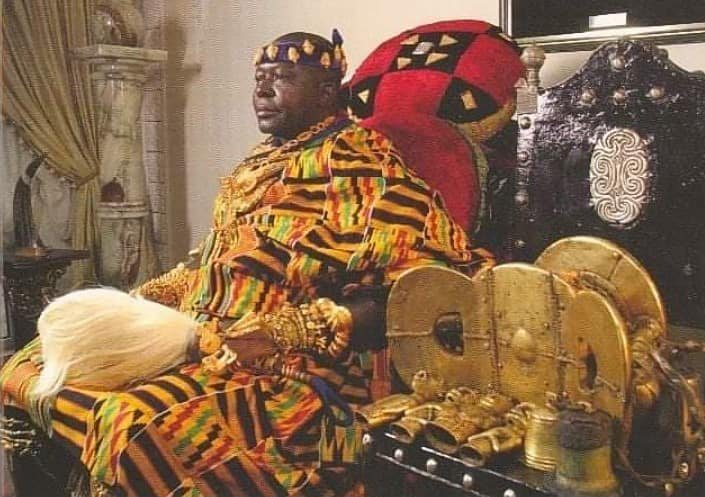
A Short History Behind the Asante Golden Stool.

The Golden Stool literally known as  “Sika Dwa Kofi”(A friday born Golden Stool) in Akan dialect is the royal and divine throne of kings of the Ashanti people in Ghana and the ultimate symbol of power in Ashanti royalty..According to oral history, Okomfo Anokye, High Priest and one of the two main founders of the Asante Confederacy, conjured the stool from the sky to land on the lap of the first Asante king,Nana Osei Tutu on a faithful friday during a durbar.The Golden Stool is believed to house the spirit of the Asante nation and also plays a great role in uniting the indegines of the Ashanti Kingdom in Ghana.

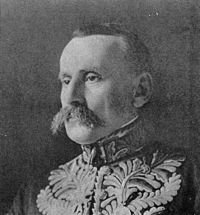
After the overlord of Asante Kingdom,Nana  Prempeh I agreed to go on exile in 1896, in a bond with the British government  aimed at preventing a war and protection of the Golden Stool,The British Governor of the Gold Coast(Now Ghana) Fredrick Hodgson broke the bond and attempted to take captive of the Golden Stool in 1900.

He sent an expedition in search of it which angered the Asante people and royals. This lead to the “Yaa Asantewaa” war which was  a popular rebellion motivated by Nana Yaa Asantewaa who was then the Queen Mother of Ejisu in the present day Ashanti Region of Ghana.

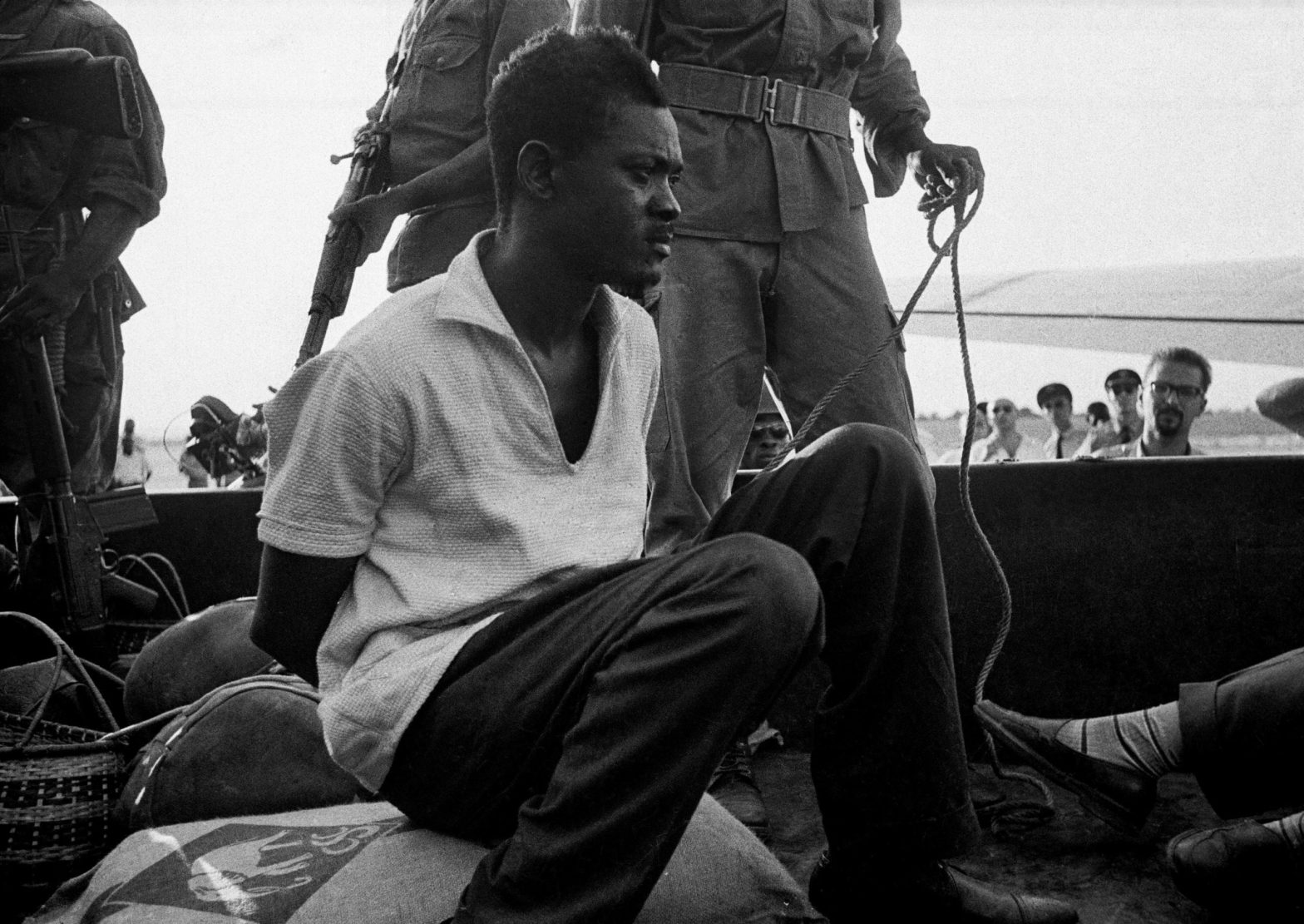
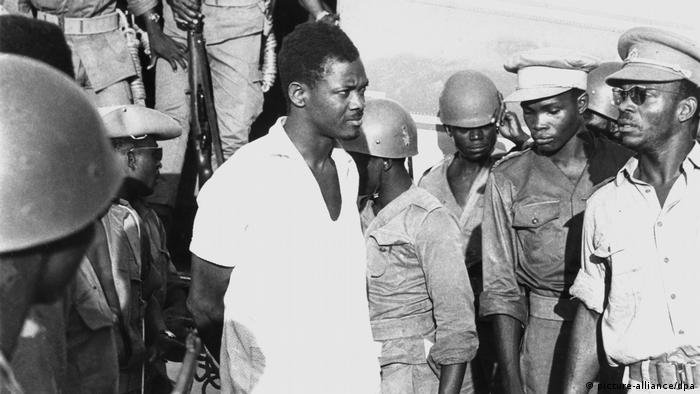
Belgium hands over “a tooth” of Patrice Lumumba to family and Dr.Congo 60 years after his murder

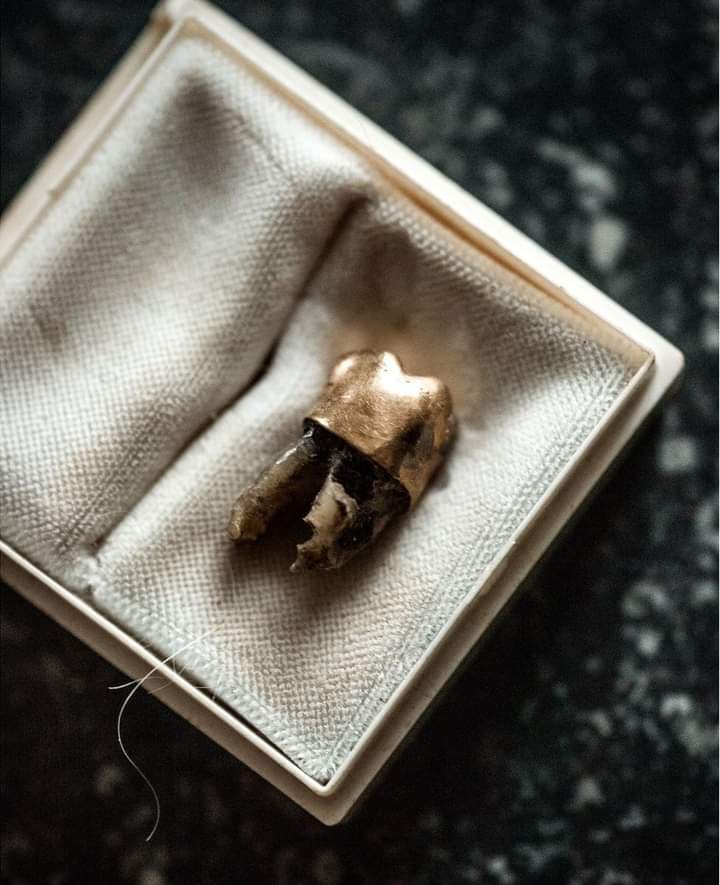
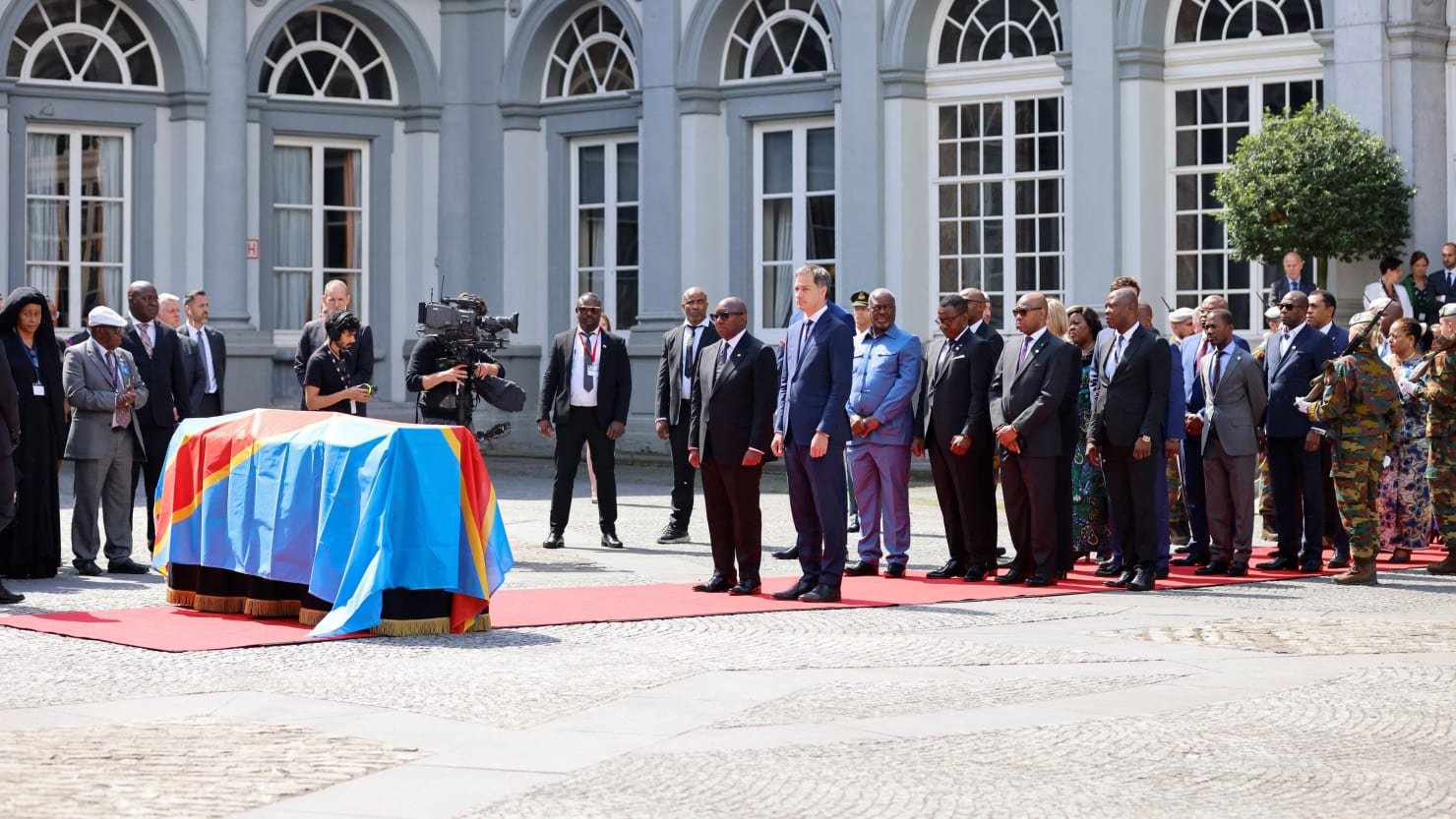
Belgium today handed over a tooth to the Democratic Republic of the Congo and Patrice Lumumba’s family as the only mortal remains of the assasinated Congolese Prime Minister Patrice Lumumba. This occurred 60 years after the death of the great statesman and pan Afriacanist.

Lumumba, the first prime minister of an independent Democratic Republic of the Congo, was executed only a few months after taking office. His body was dismembered and his remains were dissolved in acid.

A Belgian police officer who oversaw Lumumba’s body’s destruction later admitted to taking a tooth from Lumumba as a keepsake. Lumumba’s family and Congolese government attended the event in Belgium.

The tooth was placed in a box before being placed in a casket and sent to the Democratic Republic of the Congo for burial.

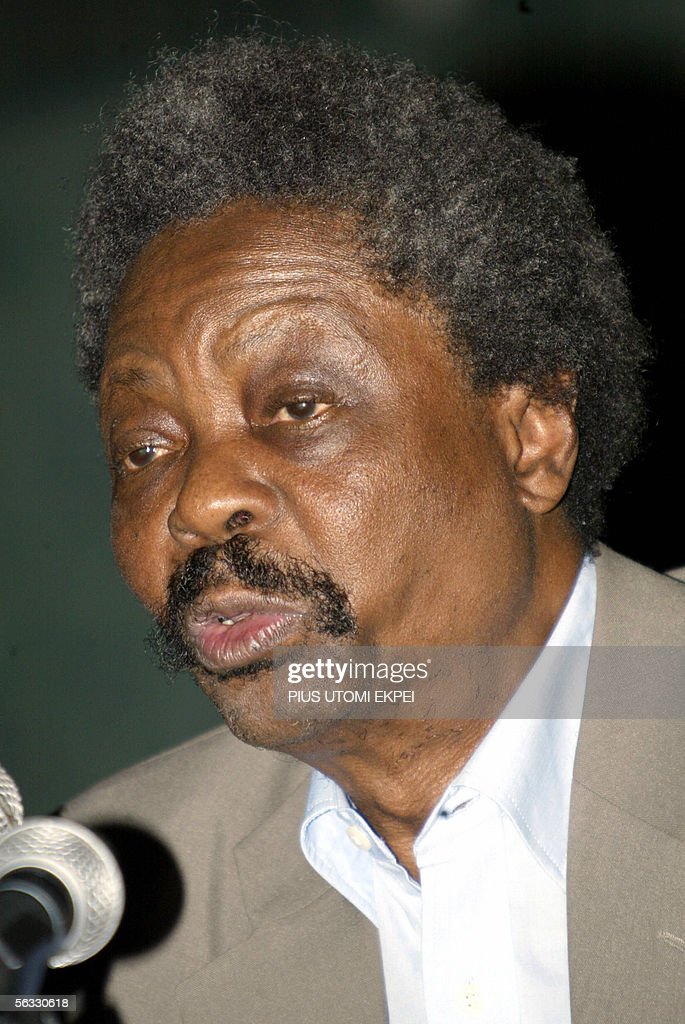
NIGERIA:Professor Soyinka Dead

Professor Femi Soyinka, former Provost of Obafemi Awolowo University’s College of Health Sciences at Ile-Ife, has died.

He was Professor Wole Soyinka’s younger brother and the 1986 Nobel Laureate in Literature. According to a family statement, Mr Soyinka died in the early hours of Tuesday at his home in Kukumada Village, Ibadan, Oyo State, at the age of 85.

Professor Femi Soyinka was born in 1937 and graduated from the University of Heidelberg with a Medical degree in Medicine and Surgery (MBChB) in 1964 and a Doctor of Medicine (MD) in 1965.

Prof. Femi Soyinka specialised and practised as a Dermatologist, Venereologist and Allergologist at the University of Giessen in 1969.

In 1972, he obtained a Master of Public Health degree from Hadassah Medical School, (MPH) Israel.

He was an outstanding academic for 30 years, attaining various positions from Chief Medical Director to Dean of the Faculty of Health Sciences and the Provost of College of Health Sciences of Obafemi Awolowo University, Ile-Ife, Nigeria.

He was also involved in extensive research work on Tropical Skin Diseases and Sexually transmitted infections (STIs) in collaboration with the Federal government, international donor agencies and organizations such as the World Bank, UNDP, DFID, the British Council; and the International Development Research Centre, Canada.

He was involved in several types of research in the field of HIV/AIDS as a leader and worked as a consultant to various international and local agencies including the World Health Organization, DFID, UNDP and the Nigerian Federal Ministry of Health based on his extensive experience in the subject in various parts of the country.

He is survived by his wife, children, grandchildren and great-grandchildren

Source:www.independent.ng

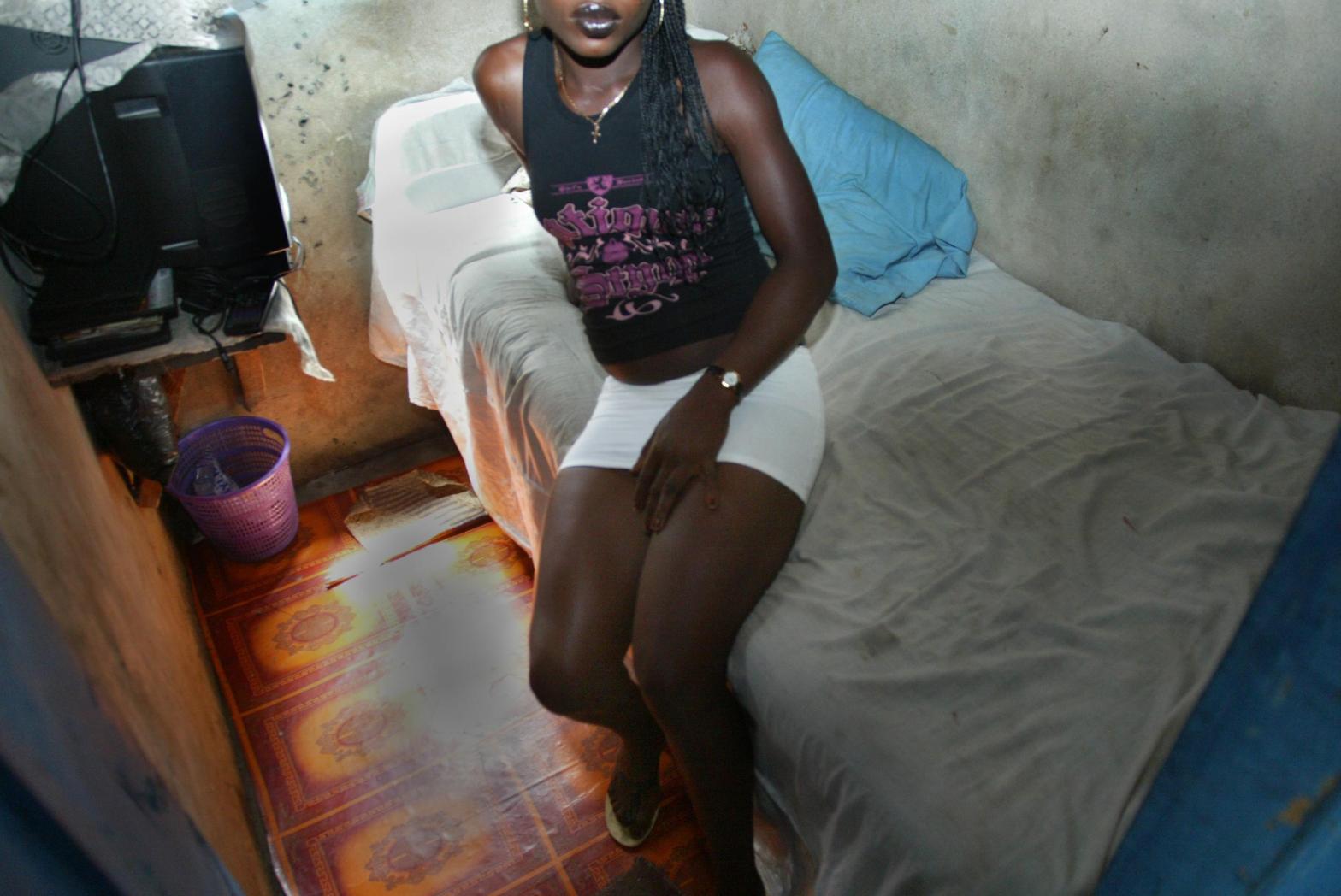
Sex Worker killed by Customer and others for Having Qur’an in her Room

A commercial sex worker, Hannah Saliu, has been beaten to death and her corpse set on fire by her customer and his friends for keeping a copy of the Holy Qur’an in her brothel room.

The incident happened in the Alaba Rago area of Ojo, Lagos State.

 It was gathered that one of the suspected killers had patronised the prostitute and paid her N1000 after having sex with her.

The customer was said to have left the prostitute’s room when she discovered that her N5,000 had gone missing.

The sex worker was said to have ran after her customer who she accused of stealing the money.

This was said to have led to an altercation which attracted friends of the man who patronised the sex worker.

The customer and his friends were said to have gone to the prostitutes room and carried out a search.

A copy of the Holy Qur’an was said to have been found under the prostitute’s pillow and this infuriated them.

They were said to have beaten her, stabbed her and dragged her outside and set her dying body ablaze.

The sex worker was said to be from the North as her suspected killers.

The suspects were dentified as Abubakar Musa, Sarauta Monsur, and Surajo Yusuf.

The state Police Public Relations, SP Benjamin Hundeyin, confirmed the incident.

He said the incident happened in April and the three suspects arrested had been charged to court.

Credit:Olufemi Lakinde

Source:www.thewhistler.ng

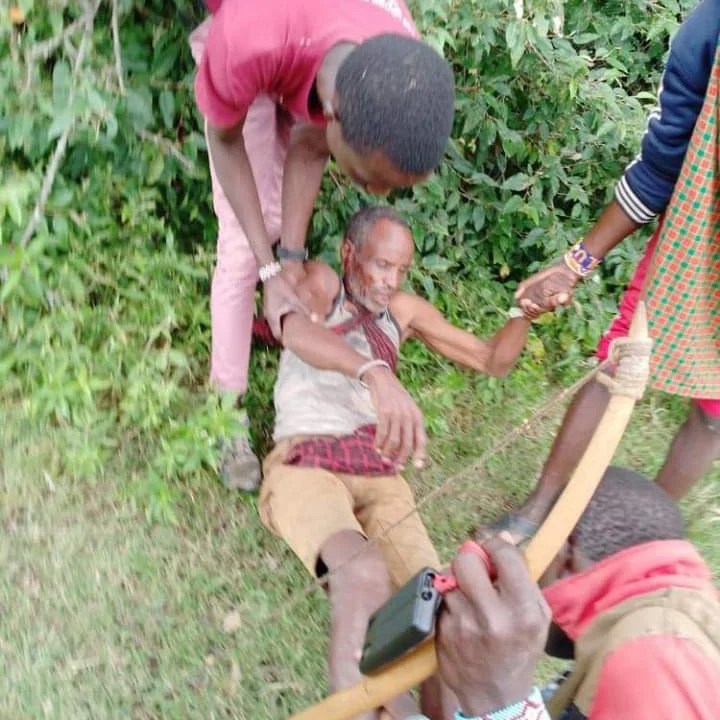
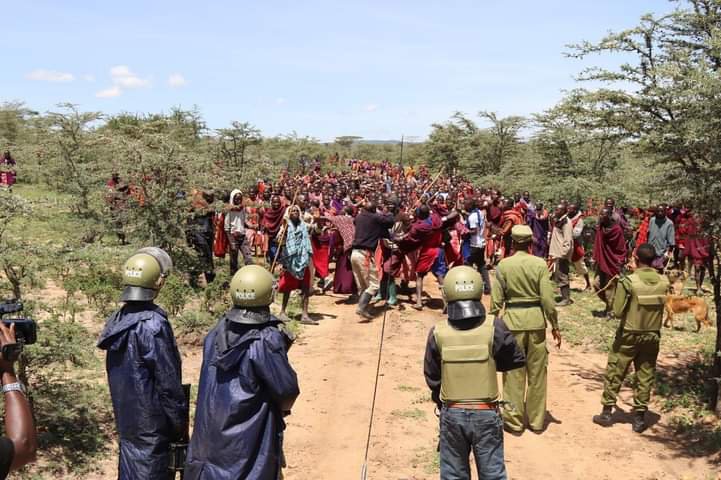
Tanzania:Maasai People Fleeing Ancestral Home after Police Raid.

Tanzania🇹🇿

Following a savage police assault on indigineous people against government attempts to evict them from their ancentral home to make room for trophy hunters and conservation, thousands of Maasai people have deserted their homes and fled into the woods.

On June 8, dozens of police trucks and an estimated 700 officers gathered in Loliondo, N. Tanzania, near the world-famous Serengeti National Park, to designate a 1,500-square-kilometer piece of Maasai territory as a Game Reserve. On June 10, they opened fire on Maasai protesters, injuring 13 with machetes and shooting at least 18 men and 13 women. One individual has been confirmed dead.

A Rare Footage of Dr.Kwame Nkrumah’s Burial in His Hometown,Nkroful

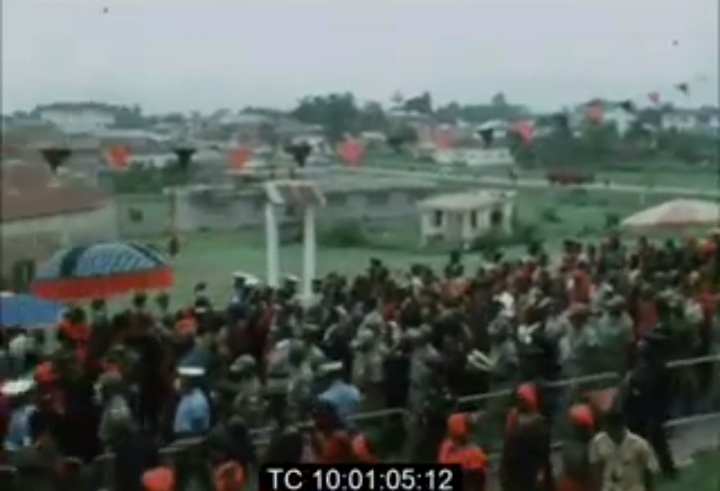
Ghana’s first President, Dr. Kwame Nkrumah, was buried at his home town of Nkroful, 240 miles (384 kms) southwest of Accra on Sunday 9thJuly,1972.

The body of the ex-President, who led Ghana to independence in 1957, laid in state for 10 hours in Accra on ‘saturday. Dr. Nkrumah died in a clinic in Bucharest, Rumania on 27thApril,1972 after six years in exile in Guinea where he served as a Co-President following his overthrow in a military coup in February of 1966.

The return of his body to Ghana followed protracted negotiations between Ghana’s present military rulers and the Guinean government of President Sekou Toure.

On the burial day,traditional leaders carried out traditional rites when Dr. Nkrumah’s mortal remains arrived in Nkroful on Sunday(9thJuly,1972). His body laid in state for three hours before the burial service.

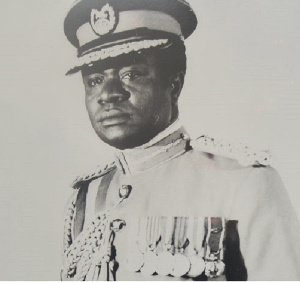
General Ignatius Kutu Acheampong(Ghana’s Head of State from 1972 to 1975.

An eulogy read on behalf of head-of-state then, Colonel Ignatius Acheampong, said the former President had “waged a relentless war against colonialism and racism.” Colonel Acheampong said it was a matter of great satisfaction and relief to Ghana that Dr. Nkrumah’s remains had been returned home for burial. The eulogy continued, “Today we mourn the loss of a great leader whose place in history is well-assured. We join world leaders in paying tribute to this worthy son of Africa.”

Burial of Dr.Kwame Nkrumah at Nkroful

Credit:Reuters News Archives

Design a site like this with WordPress.com
Get started