Leadership of TEIN-NDC Legon Sends a Goodwill Message to Students.

The leadership of TEIN Legon chapter in a statement signed by the president Raymond Edem Tamekloe have sent a goodwill message to all freshly admitted students of Ghana’s premier institution congratulating them once on their admissions and rendering a motivating advice on the nature of the semester and the need to take part in all necessary academic activities.Moreover they reassured all students that, their help desk is still available and will be ready to provide assistance to students if the need arises.
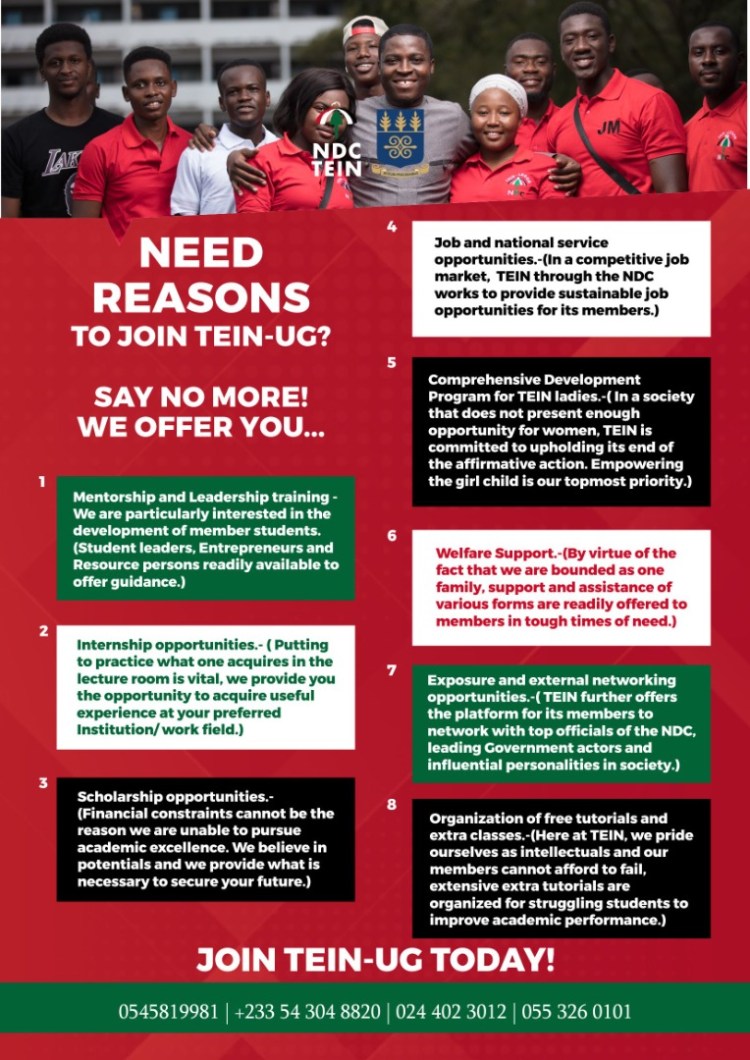
TEIN is the acronym for the Tetiary Education Institutions Network.It is the campus youth wing for the National Democratic Congress (NDC) and had been in existence on the University of Ghana campus for over 25 years and inarguably the oldest student wing belonging to a mother political party.Moreover,it is located on many campuses in the country.These includes other Universities,Technical universities and trainee colleges.According its values,it aims at providing support for its members as well as mobilising youths for development.It also serves as a platform for grooming the youth into leadership at the national level or other non political offices as well.

Below is the full text of the message>>>>

🇦🇪🇦🇪🇦🇪🇦🇪🇦🇪🇦🇪🇦🇪🇦🇪

GOODWILL MESSAGE
➖➖➖➖➖➖➖➖➖➖➖
18/01/21
Ref…………….

The leadership of the Tertiary Education Institutions Network wishes to congratulate once again, our freshly admitted students on their admission into the Premier University of Ghana and warmly welcome them to school.

Academic activities for the intensively packed semester commences vigorously today. In this view, we wish to entreat all students to commit full participation to the academic processes and activities with diligence.

In our singular effort to provide all forms of assistance and ensure your stay becomes easy as possible, notice is further served to all students that our Help Desk structure is still in place and in force. Necessary and timely assistance will be provided upon request.

Here at TEIN-UG, we believe in the potentials of every individual and uphold the conviction that, you are the leaders of the future and that future begins today.

In pursuit of academic excellence, we say cheers and welcome once again.

Raymond Edem Tamekloe.
President.
0545819981
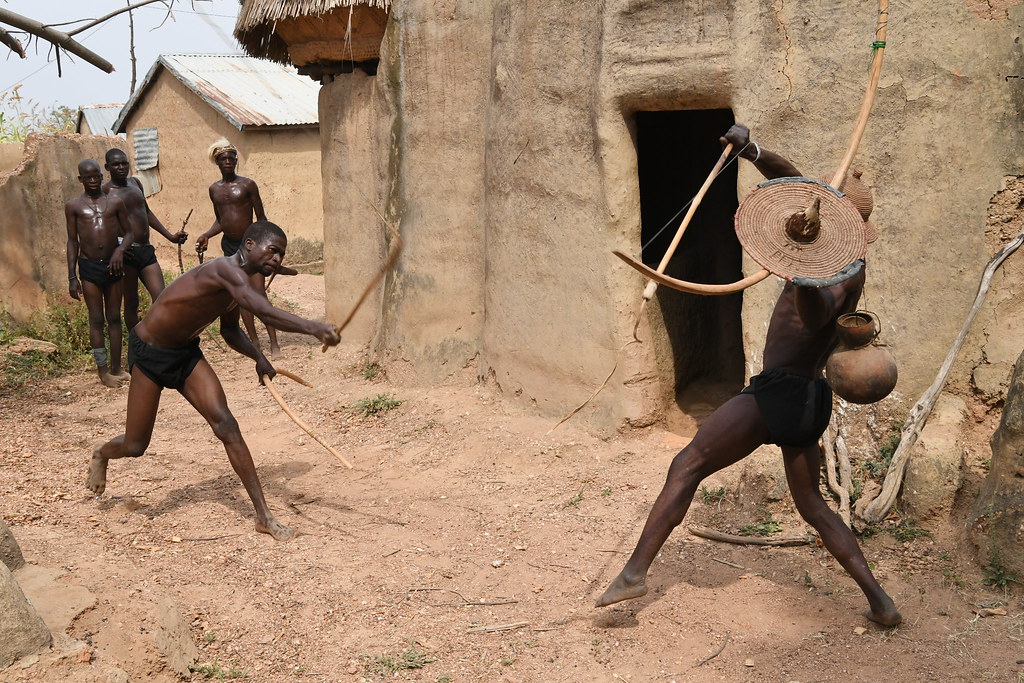
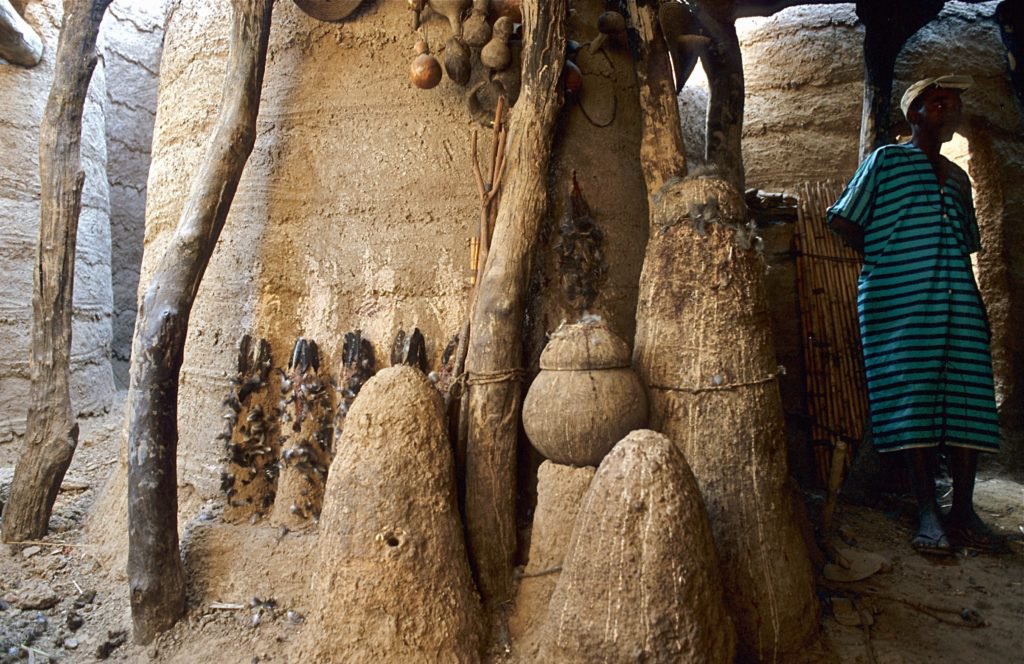
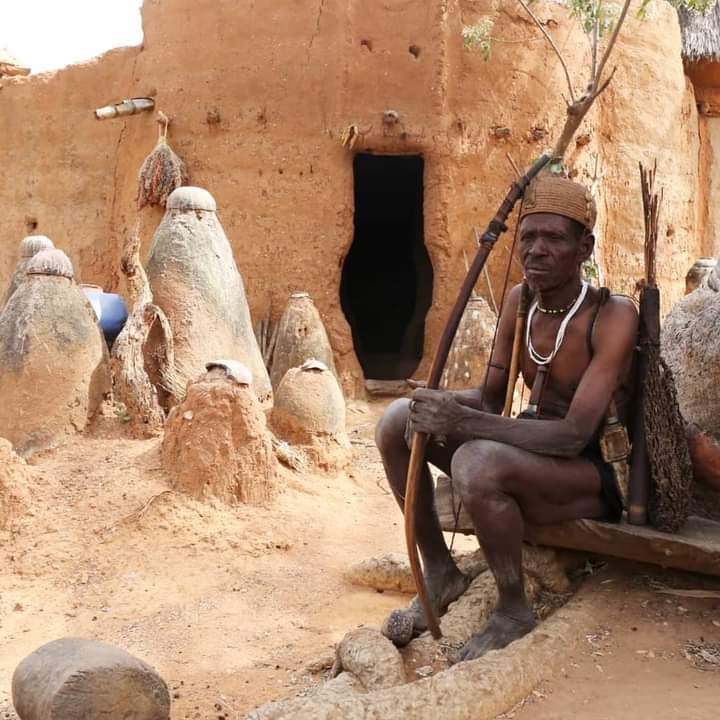
An Intriguing Story about the Batammariba Tribe in Africa;The Real Builders of the Earth?

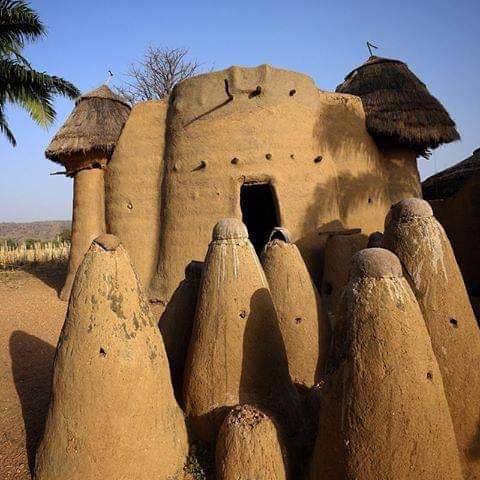
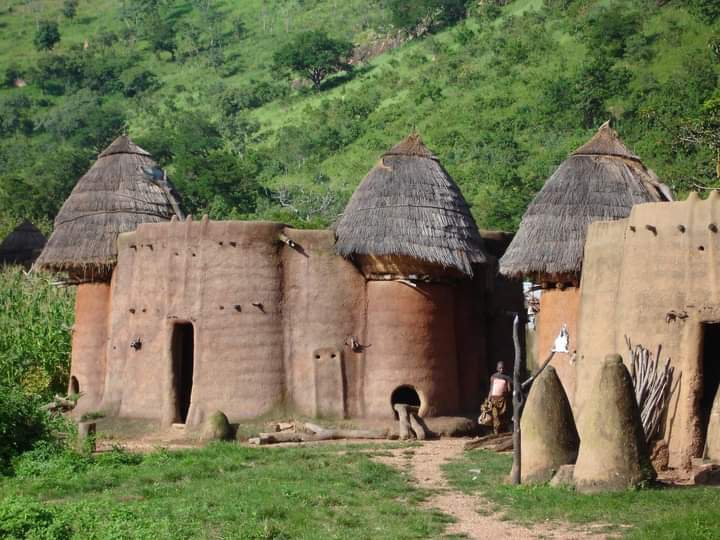
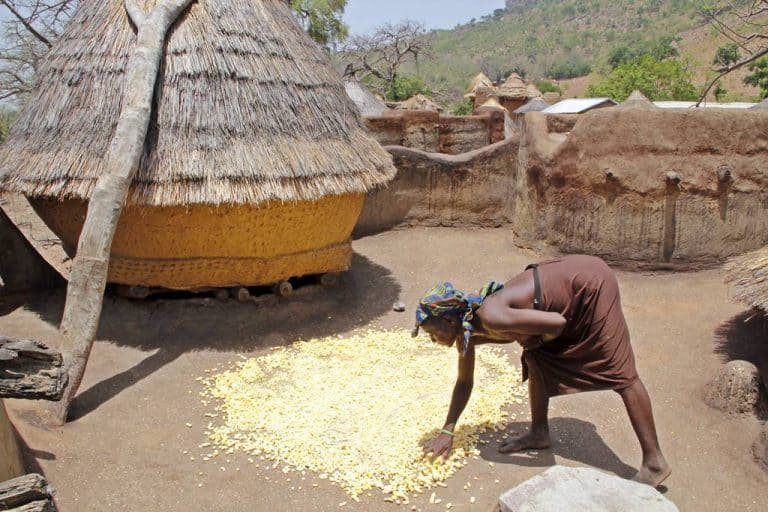
The Batammariba or Tamberma are an agro-pastoral tribe found in the north-eastern section of Togo, West Africa, at the foot of the Atakora mountain at th Koutammakou region.Their territory extends all the way to Benin, where they are known as “Somba” people.The Tamberma have “Ditammari as their native dialect.The Batammariba people migrated to their present from the West African region now known as Burkina Faso between the 16th and 18th centuries.

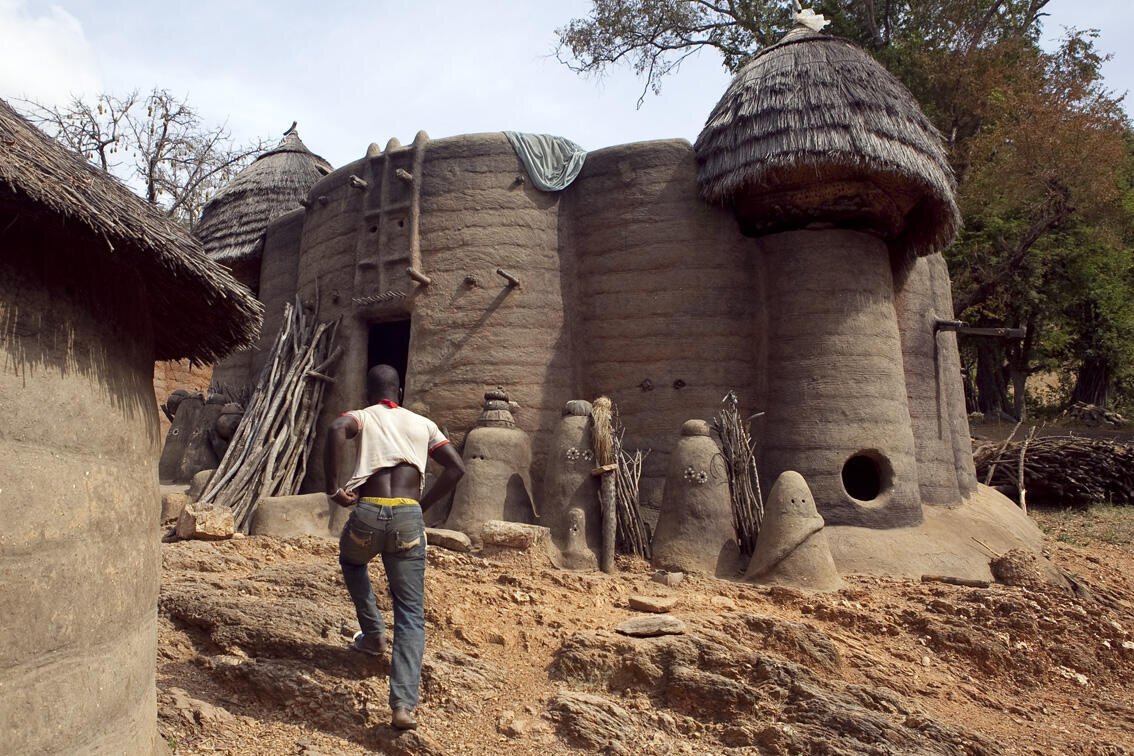
Batammariba translates as “real builders of the earth.”These Africans live in storey native houses literally called “Tata Somba” that resemble miniature castles, with the lower level serving as a storehouse and for housing livestock with the top serving as a cooking area and bedroom.Grain storage is done in the towers.This architecture was developed by natives to protect them from western slave raiders and enemies.

They are individuals of ancient traditions.They believe in deities with their traditional beliefs revolving around a single Supreme Deity, Kuiye, the sun god who they believe created both gods and humans.

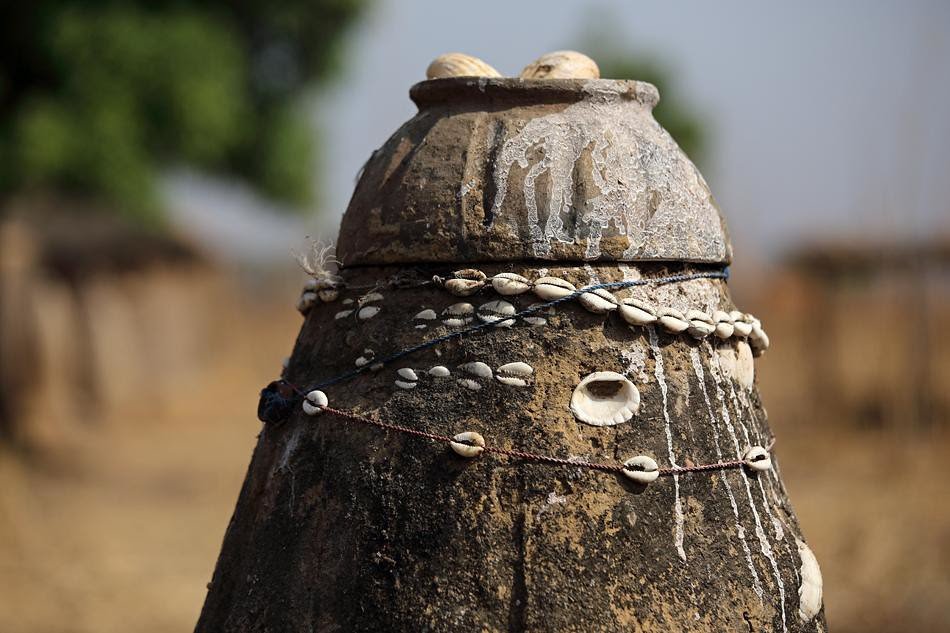
Kuiye is said to look like human beings, however he also has the status of both masculine and female, hence the deity is commonly referred to as “The Sun, Our Father, and Our Mother.” Next second most revered diety is Butan the earth goddess believed to be in charge of everything on earth then the hierarchy moves on to Oyinkakwata,the Sky god with many others coming afterwards. They also believe in ancestral spirits just like many other believers of African spirituality. In most traditional customs, they show great reverence for and connection with their ancestors.Each home’s triangular entryway is also guarded spiritually by ancestral shrines (liboloni) with phallic shapes.Phallic shaped fetishes are also built at the entrance of every home to honour family members and for luck as well.


Within their precise society, the Tamberma men tend to the cattle while the women tend to the goats and fowl.Men weed the land and undertake the majority of the planting in farming, with minimal help from women.

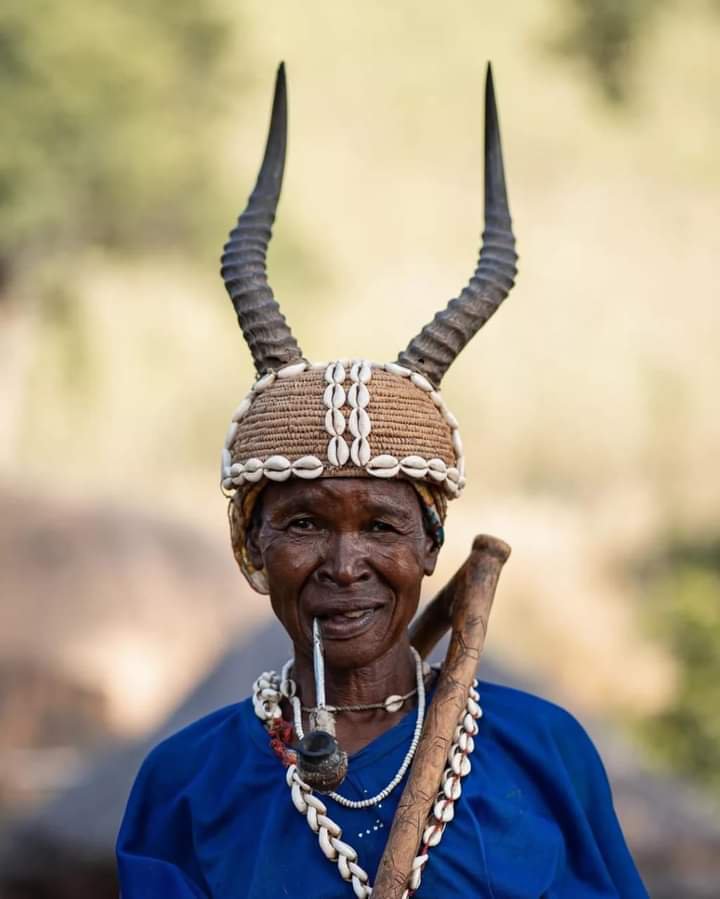
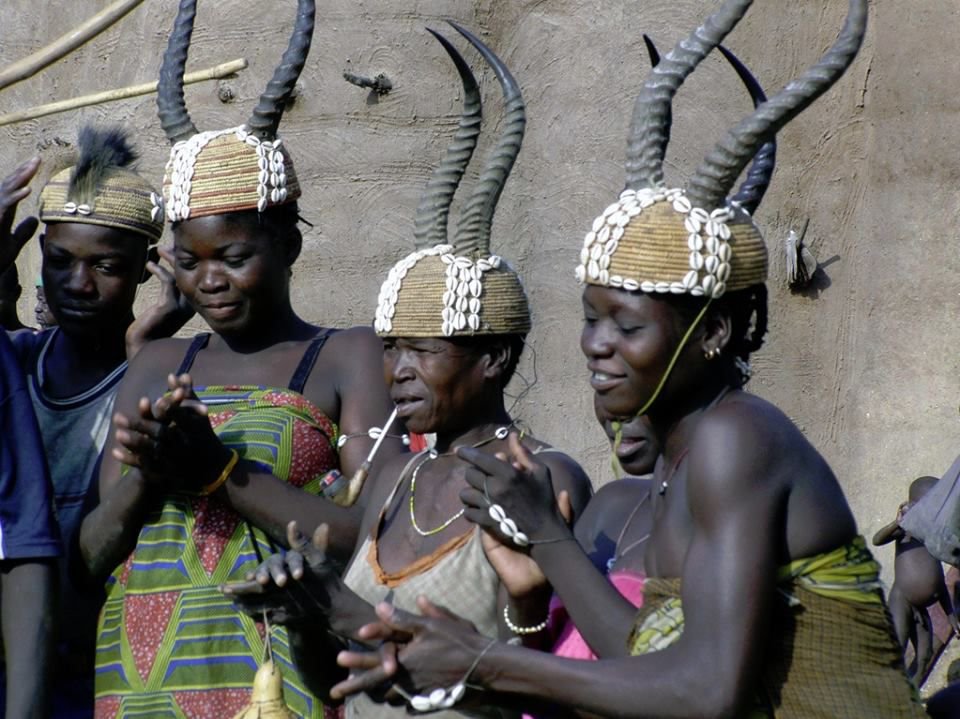
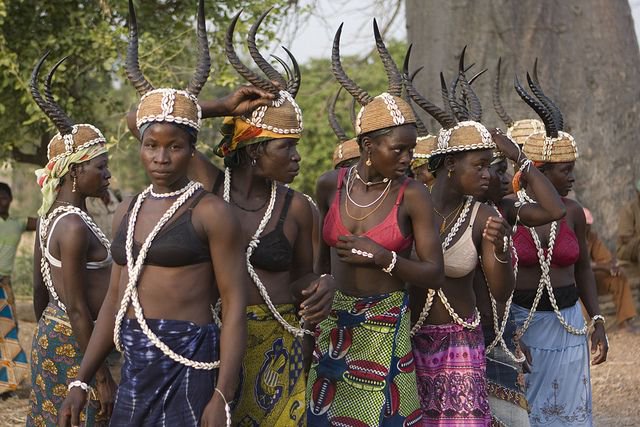
Housework is also done by women and their children.The Tamberma people regard the Antelope’s horn headdress as a sign of womanhood.As a result, they are usually worn by women and girls between the ages of 16 and 18 during their initiation rites into womanhood.

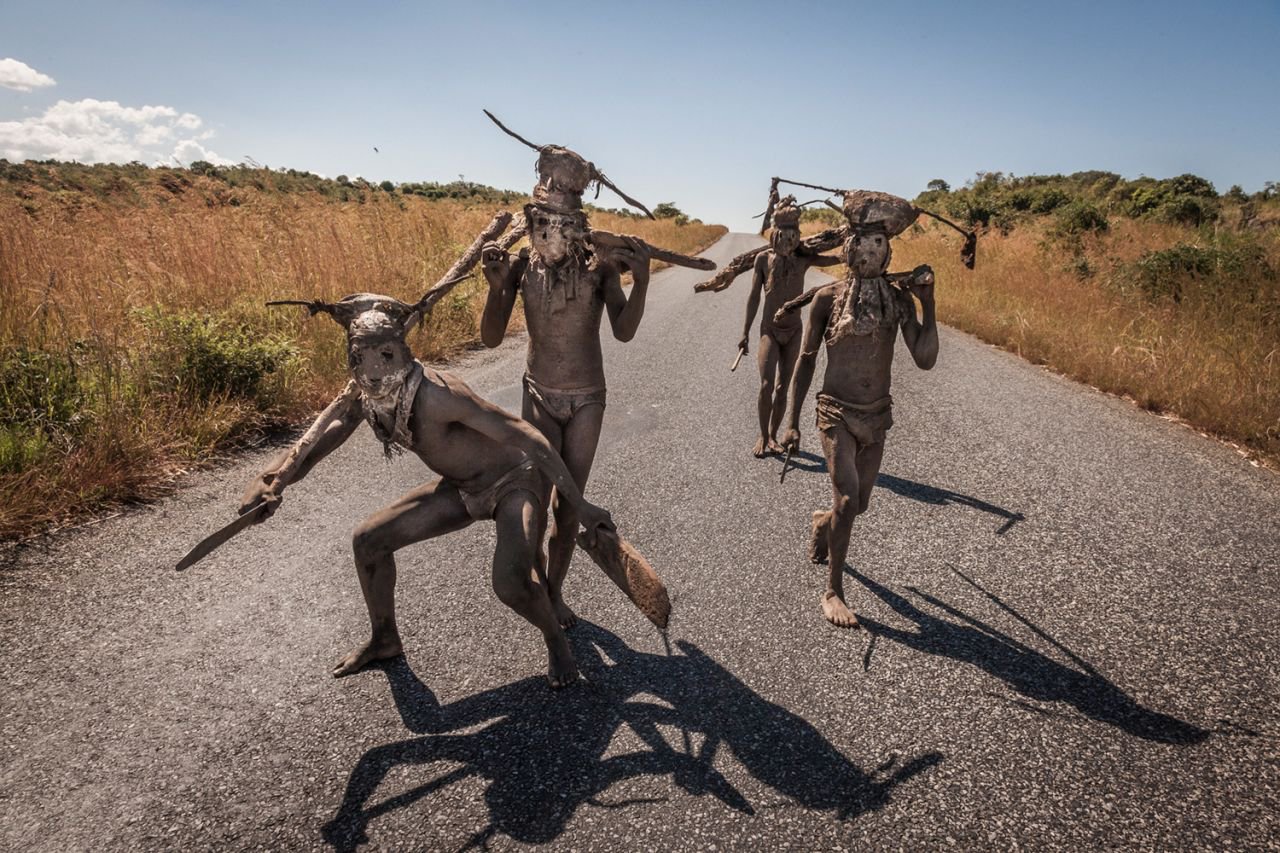
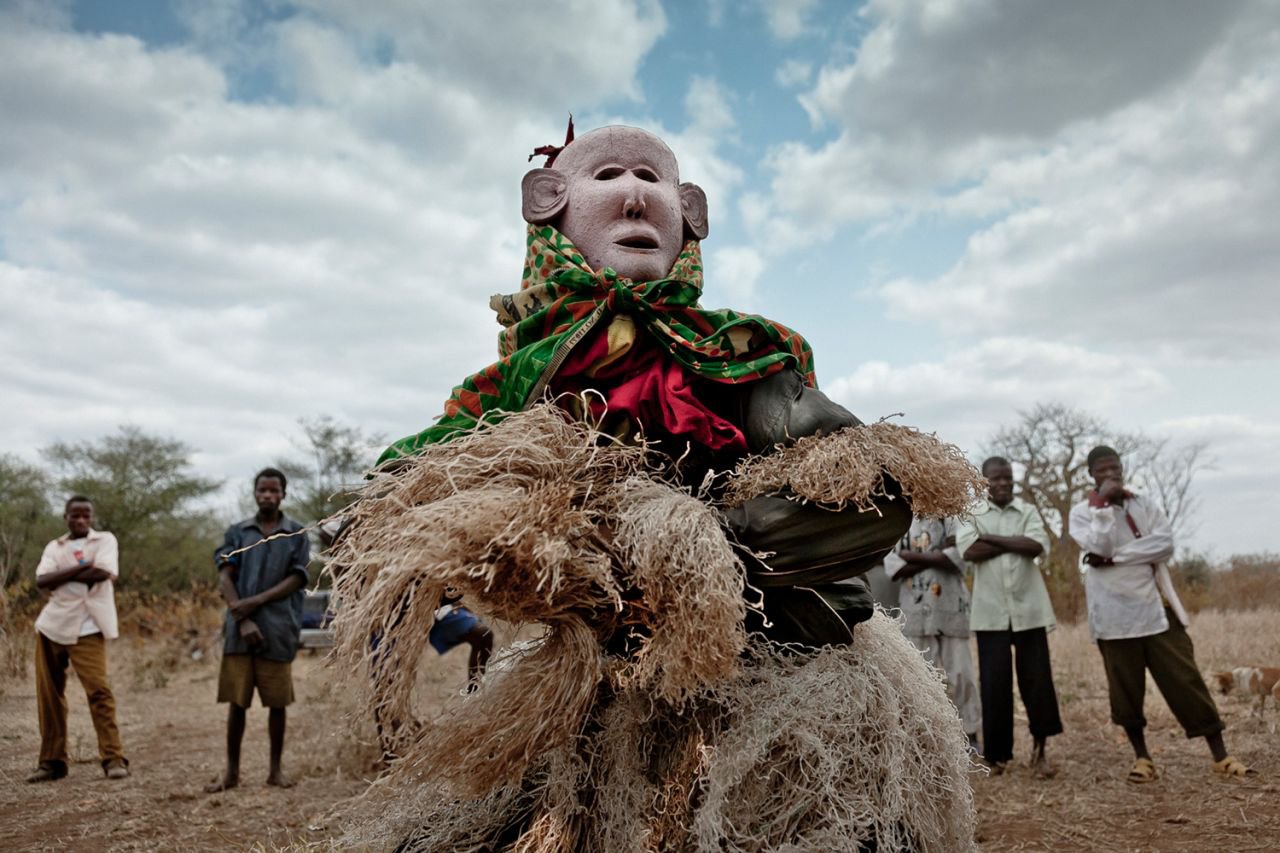
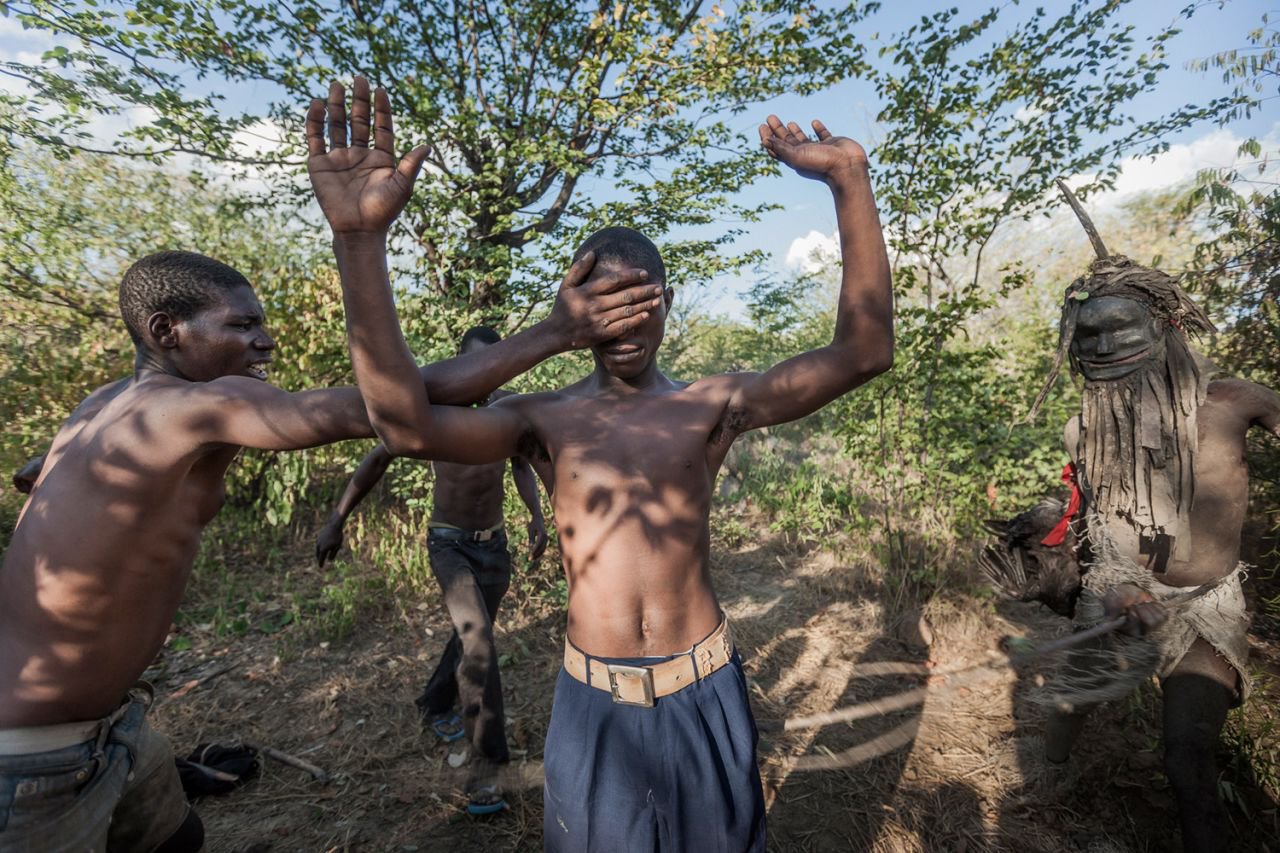
Africa:The Nyau Fraternity in Mozambique,Malawi and Zambia.

Among the  Chewa people of Africa,there is a secret  society known as Nyau. Most commonly, you can find the Chewa people in Malawi, Mozambique, and Zambia.

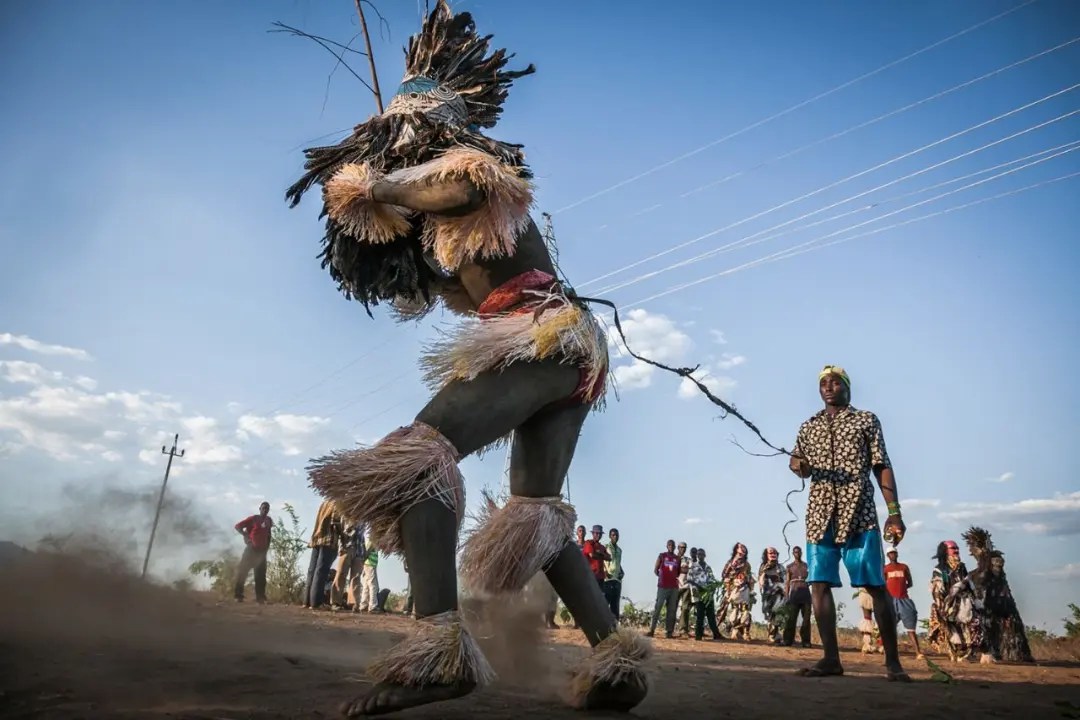
The Nyau fraternity are well-known for their “Gule Wamkulu” (the “Great Dance”) of masquerades. On special occasions like festivals, celebrations, and burials, these groups within the Chewa ethnicity dance the night away.They do this in mask and customes mostly made of of Banana leaves,straws or wood.

They are thought to be controlled by the “nyama” (spirits of the animals mask they wear ) and “mizimu” spirits of the mask (of the ancestors).These customes and masks comes in different types and forms mostly denoting ranks or power.Their dance performances also covey messages of spiritual,moral and societal importance to observers as well.

This spiritual sociery members  are very secretive to the extent that no one in a family will ever know that a Nyau is a brother, spouse, or father because they keep everything secret from non-initiated people.They are sometimes also feared by the local authorities,community members and even police because of their spiritual abilities.

Picture Credit:Vlad Shokin

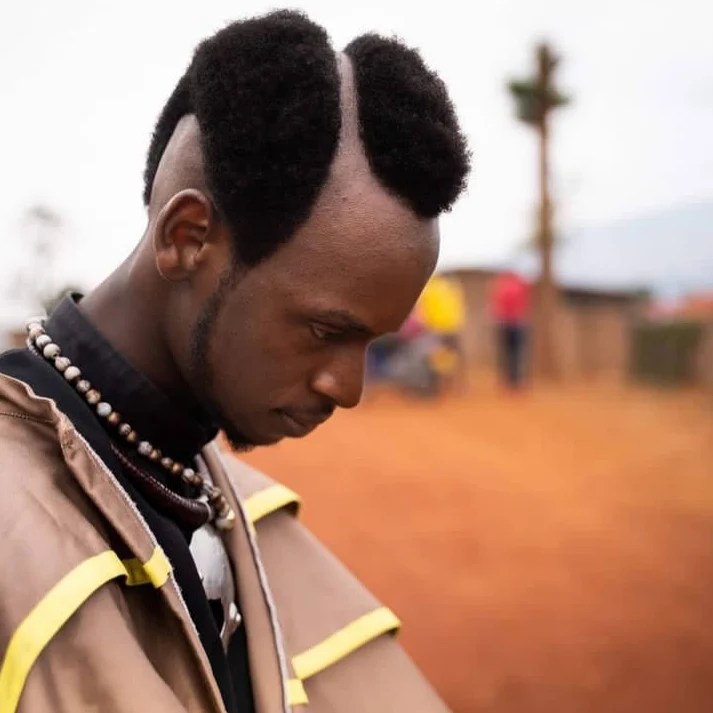
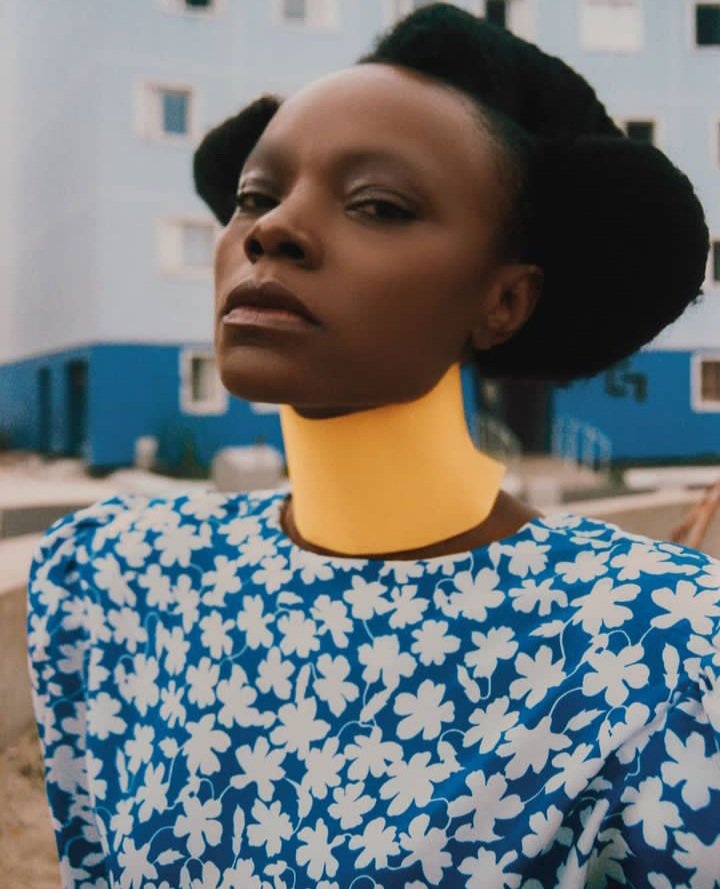
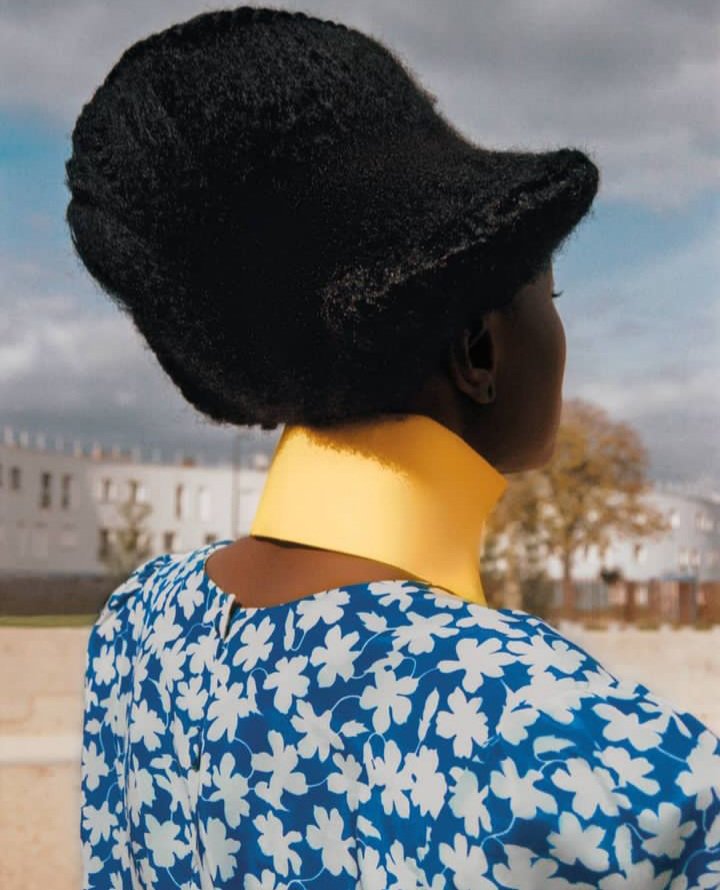
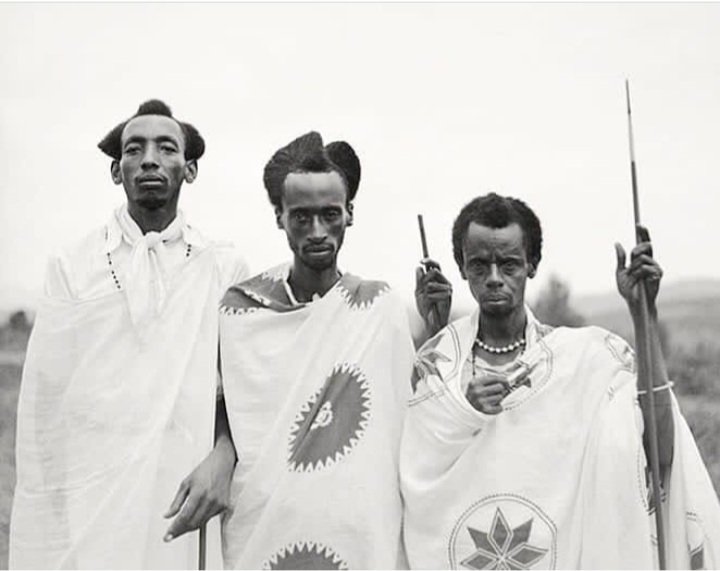
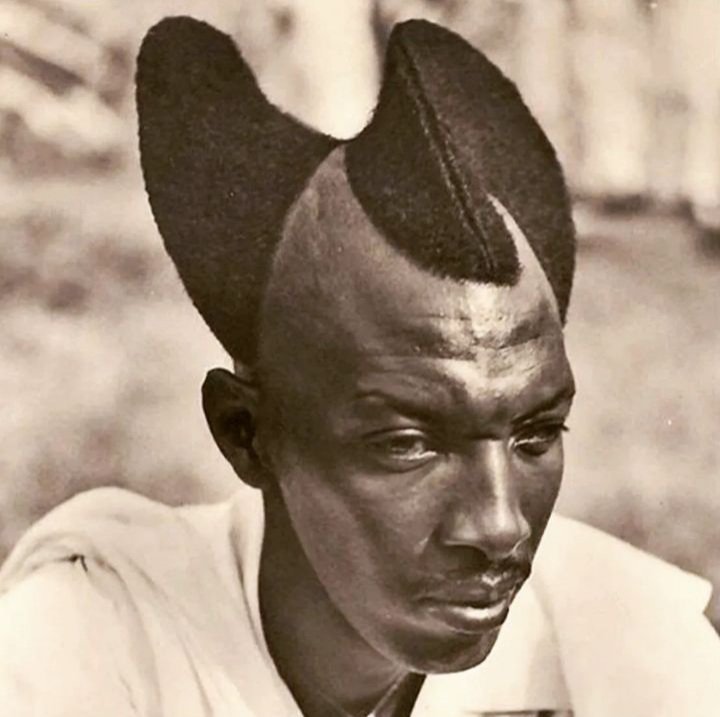
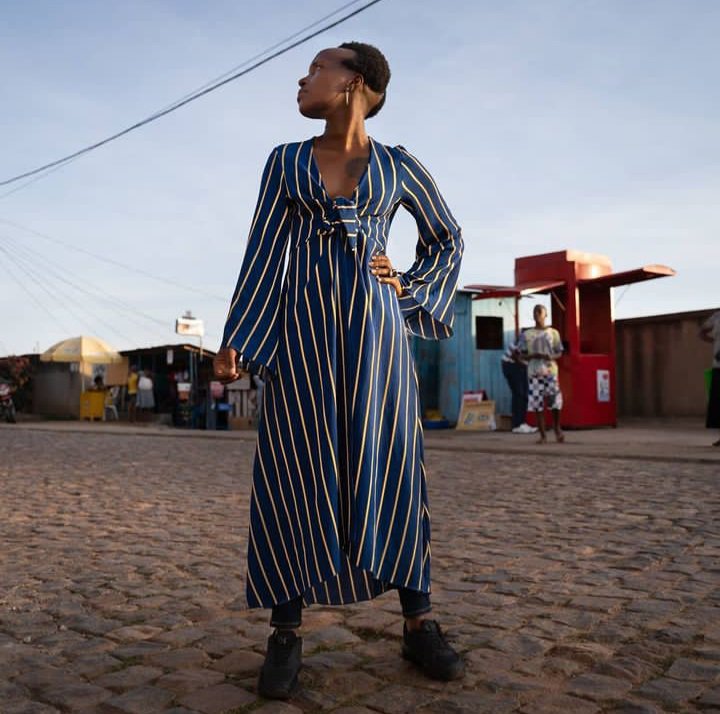
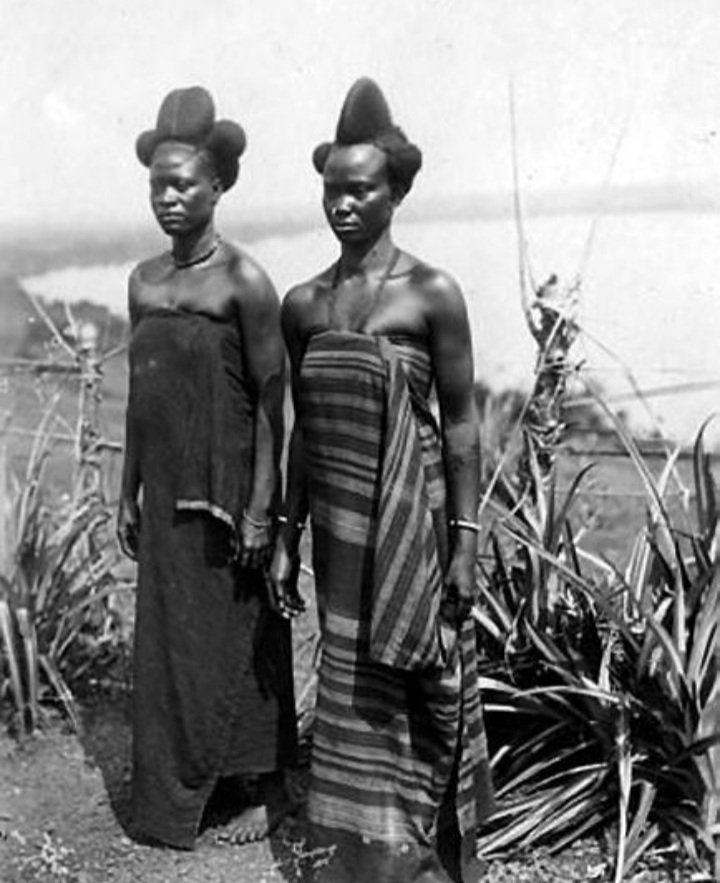
Amasunzu Hairstyle, a Symbol of Pride of Africans from Rwanda

This distinctive African hairdo has roots in Rwanda and has been around for more than three centuries.

This hairstyle has 30 different variations and is suitable for both men and women.However, it is worn by both sexes to represent various cultural viewpoints, mostly in relation to their social duties.

For instance, ancient warriors wore it to represent strength and valor, and native males wear it as a sign of aristocracy and prestige.

It was also worn by young girls and women to signify that they were unmarried and prepared for marriage.They sometimes wear this hairdo to demonstrate that they are chaste and typically keep it on until they are married.


Some ladies let their hair grow naturally after being married.

These hairstyles that inspire pride in the African society are easily made by cutting some hair from the middle, sideways, and letting it grow into ornate crescent shapes.

Picture Credit:Wohlfart Simon and Patricia Essong(Instagram)

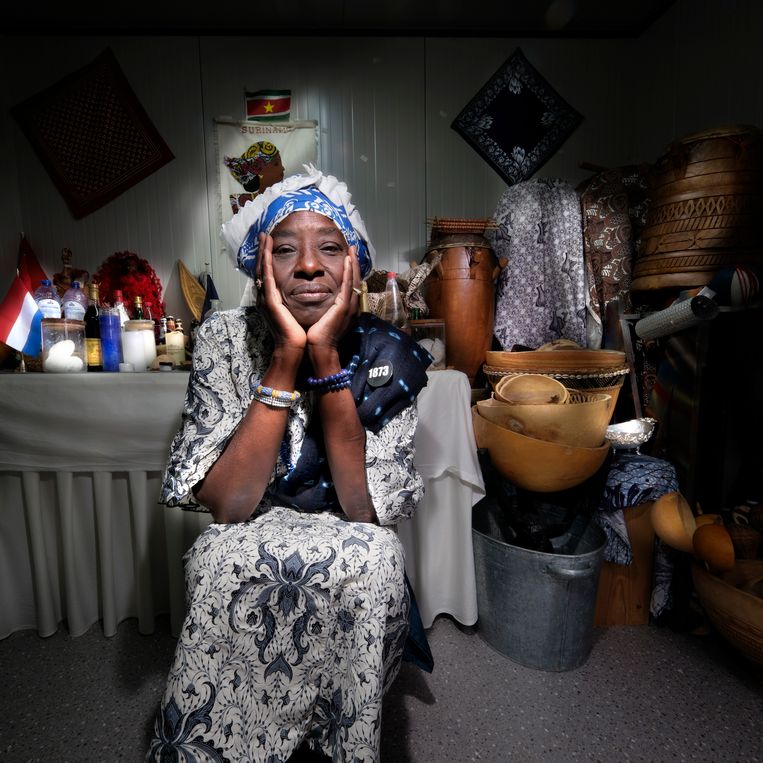
Winti,The Spiritual Connection Point between Surinamese and their African Ancestors.

Okomfo Nana Afua,a famous Winti Priestess from Suriname

“Winti” refers to both a religion and a few of the supernatural beings revered by the descendents of Suriname Maroons. The Vodun of Benin, Yoruba of Nigeria, and Akan,Ghana traditional religious traditions of West Africa are among those with whom it has origins. Wintis are a distinctive pantheon of lesser gods divided into four categories: Earth, Water, Air, and the Bush. Wintis believe in the Supreme Creator, Anana Kedyaman Kedyanpon, as well as the Wintis. Some of the most revered Wintis include Mama Aisa (The Goddess of the Earth), Fodu/Serpent God (also known as Papa Winti), Leba (A cleansing spirit who dwells particularly at traffic intersections/crossroads), Opete Kumanti (The principal Winti of the air), and Ingi (an Amerindian spirit).

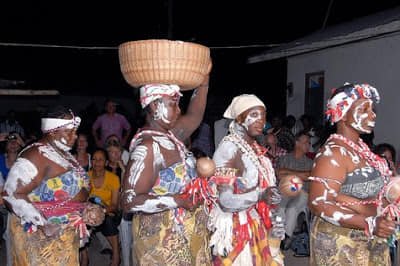
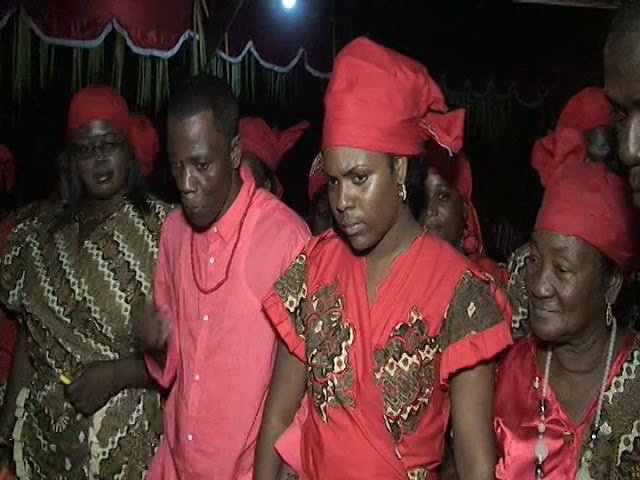
During Winti Prey (Winti Play), which might be devoted to a single Winti (such as Aisa Prey) or even to the whole Winti pantheon, the Winti deities are worshiped (Ala Kondre Prey, all countries play). Wintis can reveal themselves through the possession of their asi (ritual initiates) in Winti Prey dance ceremonies.


The Winti thus materialized are honoured and placated by certain things and substances connected to them, such as water, perfume, cigars, alcoholic and non-alcoholic beverages, different kinds of food, and plants.

This Afro-Surinamese religious system being during the time of the Dutch trans-Atlantic slave trade and chattel slavery (1623 –1863).
Due to the great cultural disparities among the enslaved Africans tribes, Winti has roots in a number of West African religious traditions, including the previously mentioned Vodun, Yoruba, and Akan-Fanti faiths from Ghana.Previously  it was illegal for the Africans  to practice the Winti religion.

Christianity was therefore the only mandated religion for them.However,the African ancestors frequently practiced behind closed doors. Nevertheless, it was a feature of plantation life during the slavery era. A statute passed in 1874 forbade the practice of Winti, and this wasn’t abolished until
1971.

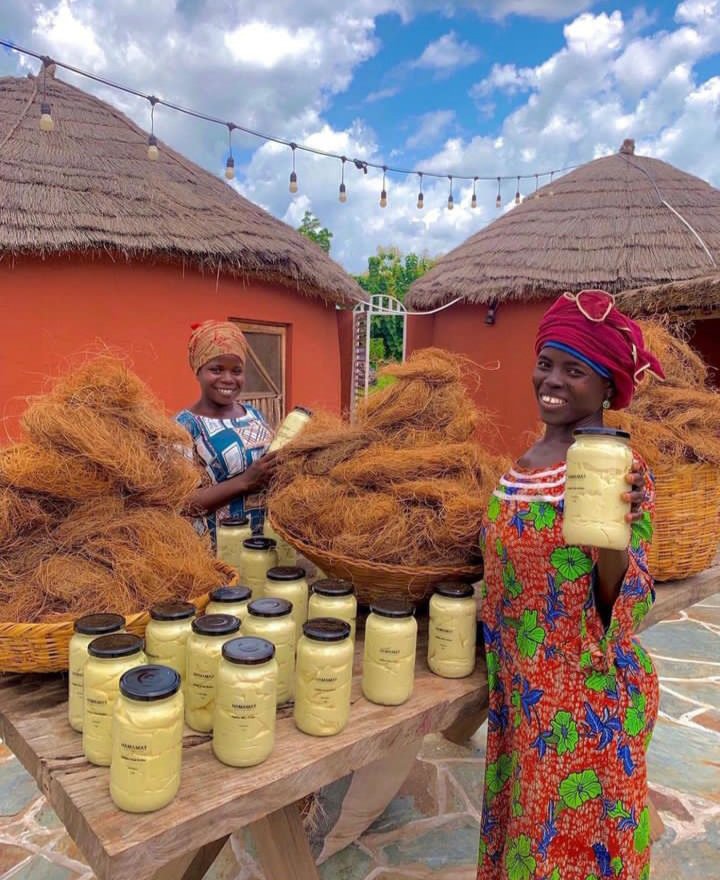
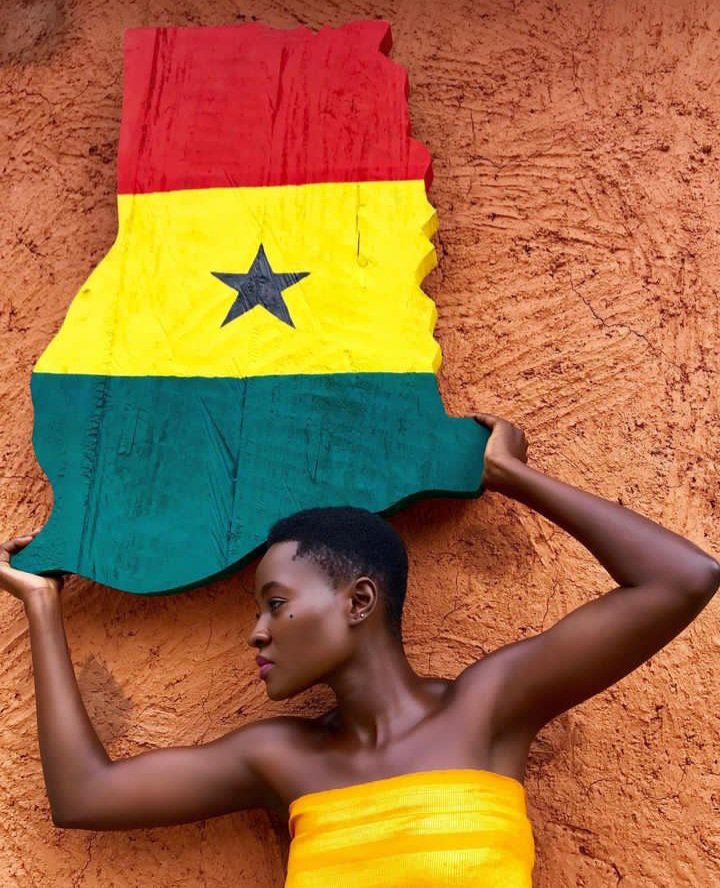
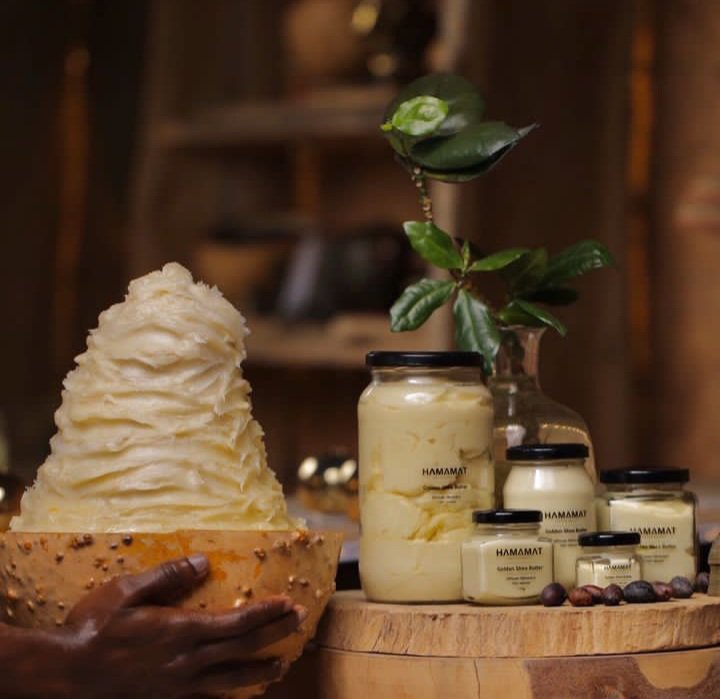
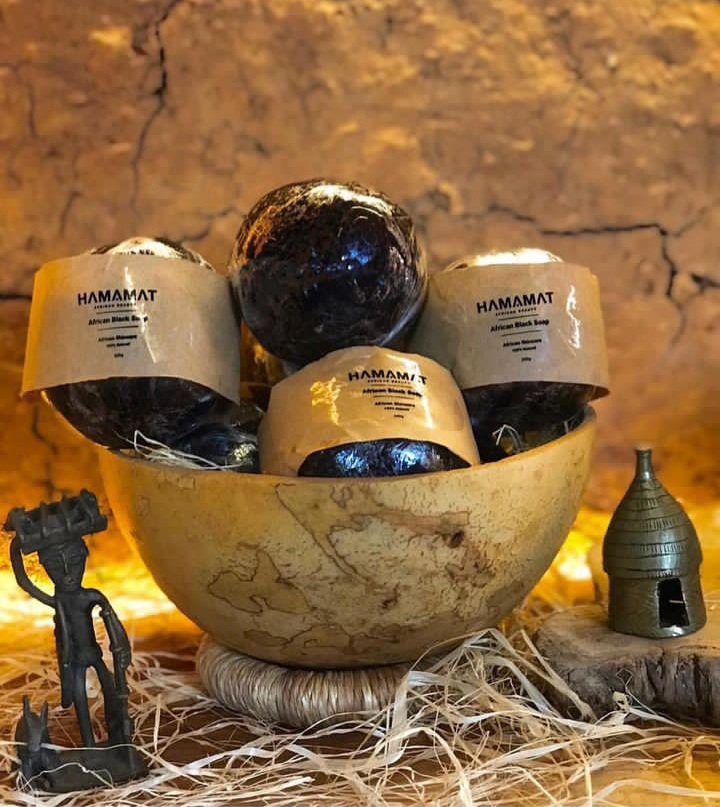
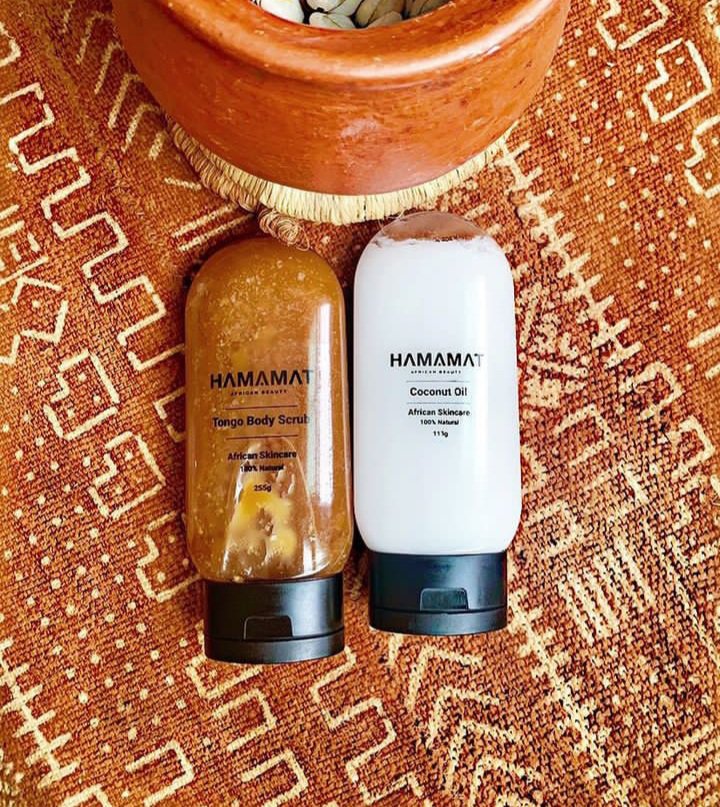
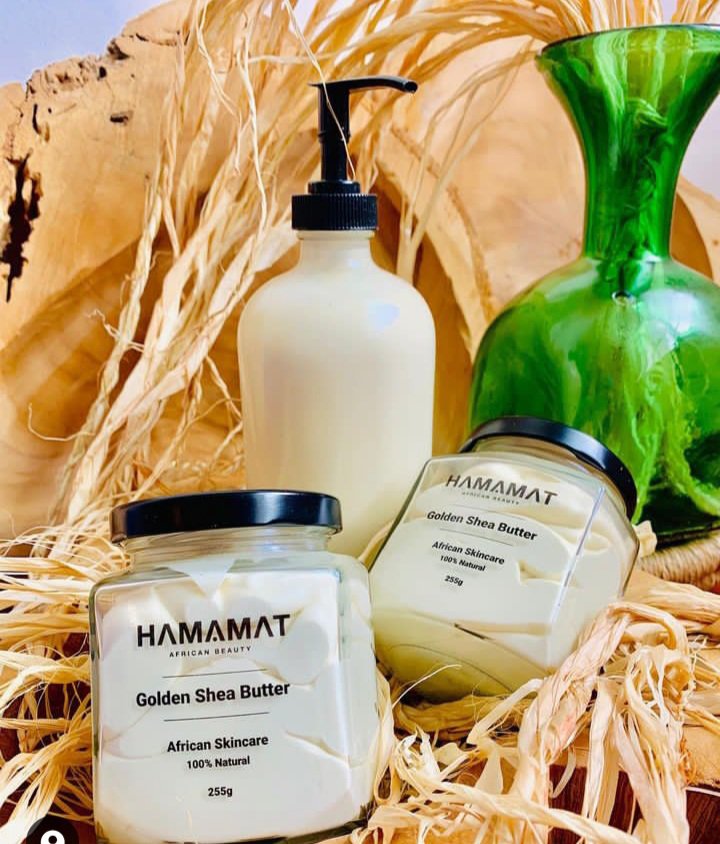
Hamamat Montia, the Ghanaian beauty Queen promoting Africa Through Indigenous Cosmetics.

Model, businesswoman, and mother of three, Hamamat Montia, also known as “Hamamat,” hails from Ghana and is 34 years old. She is a former Miss Mailaika Ghana beauty queen.

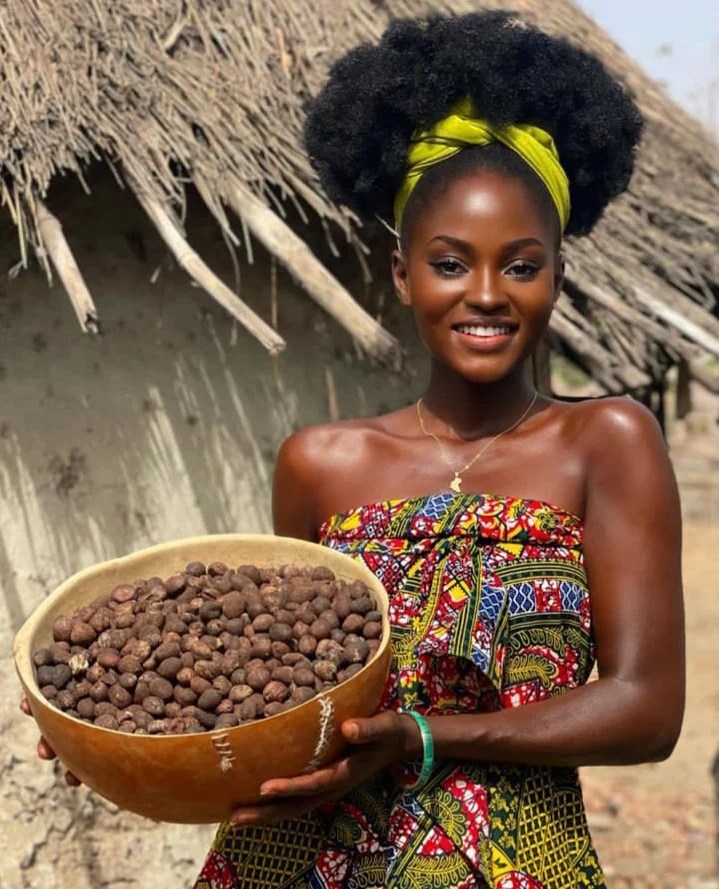
Moreover,She is without a doubt one of the most prominent models to have grown up in Ghana.Futhermore,She had made it her aim over the years to create high-quality cosmetics using traditional African methods that are both natural and indigenous.

Her desire to create these items was further inspired when her 3-year-old daughter,Zuri requested one day that she wanted blonde hair like Cinderella when she got home from school.At the moment, she felt troubled. Hamamat has made it her goal to increase awareness of African customs and culture throughout the world as a result of her daughters.

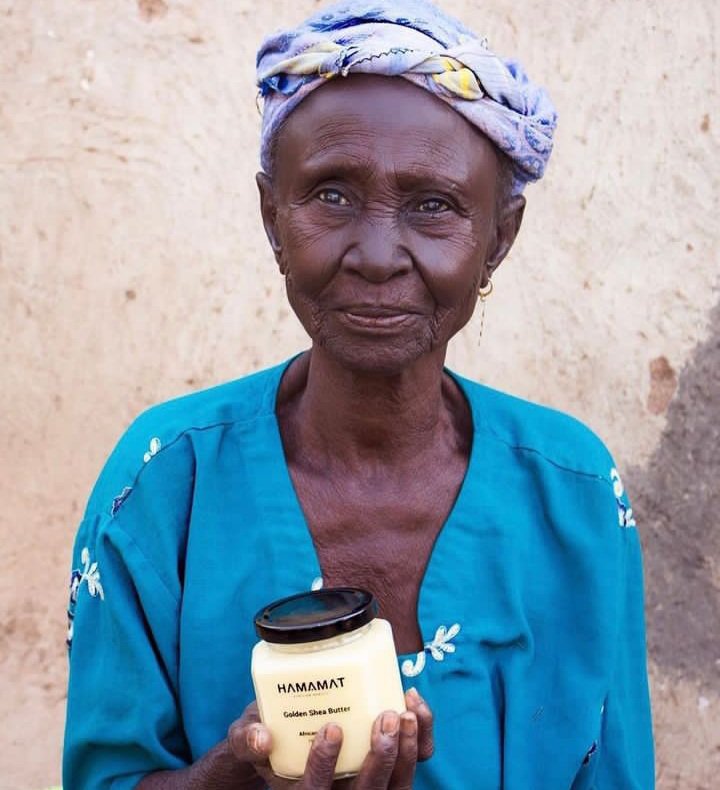
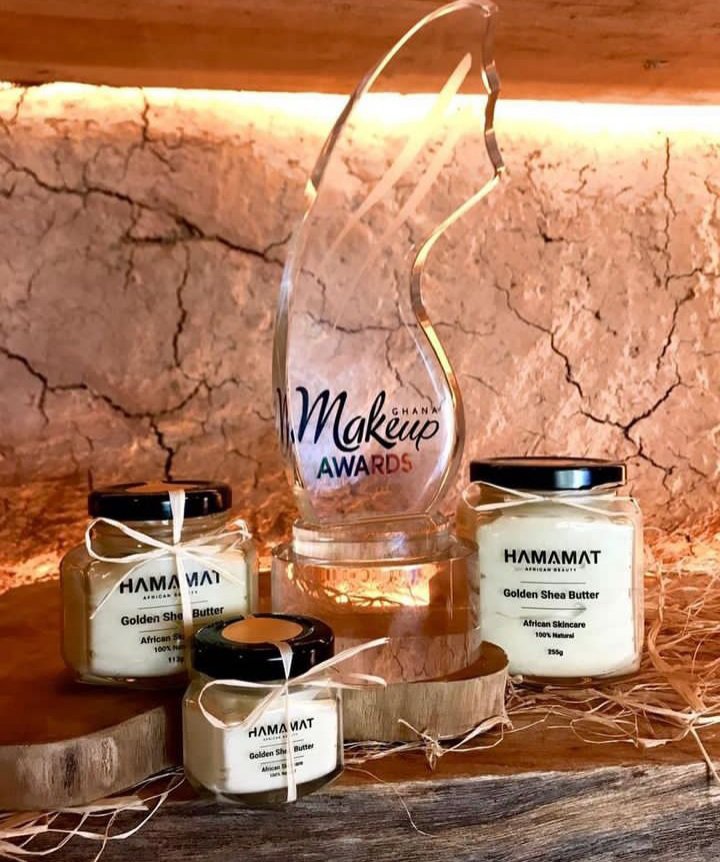
She had moreover established herself as a style icon for many African girls and a fervent defender of her continent. She is often referred to as the Global Ambassador for Africa. Hamamat African Beauty was birthed in 2017 during this process. It is a company that sells handcrafted skincare items that are manufactured entirely from natural materials.

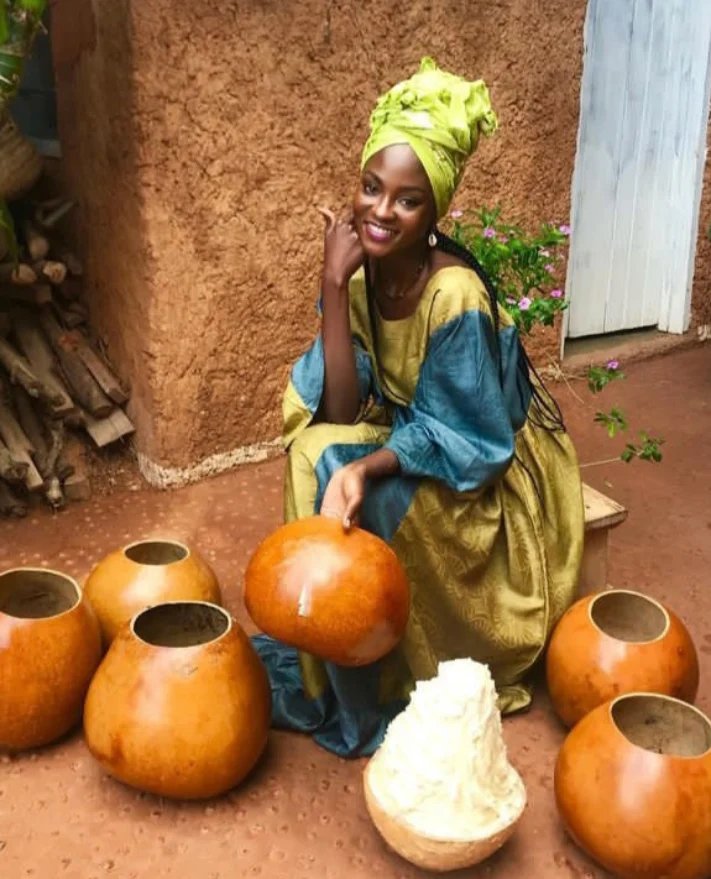
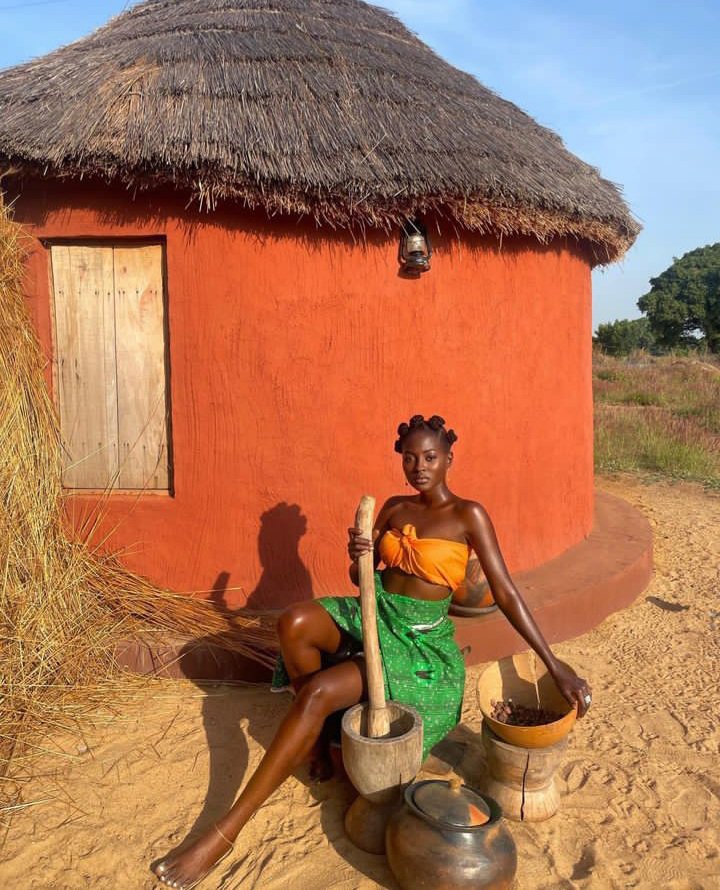
These items are made using methods that have been handed down through the African generations. These plants and oils were utilized by the ancestors to maintain their skin, hair, and general health.

Picture Credit:Iamhamamat(I.G)

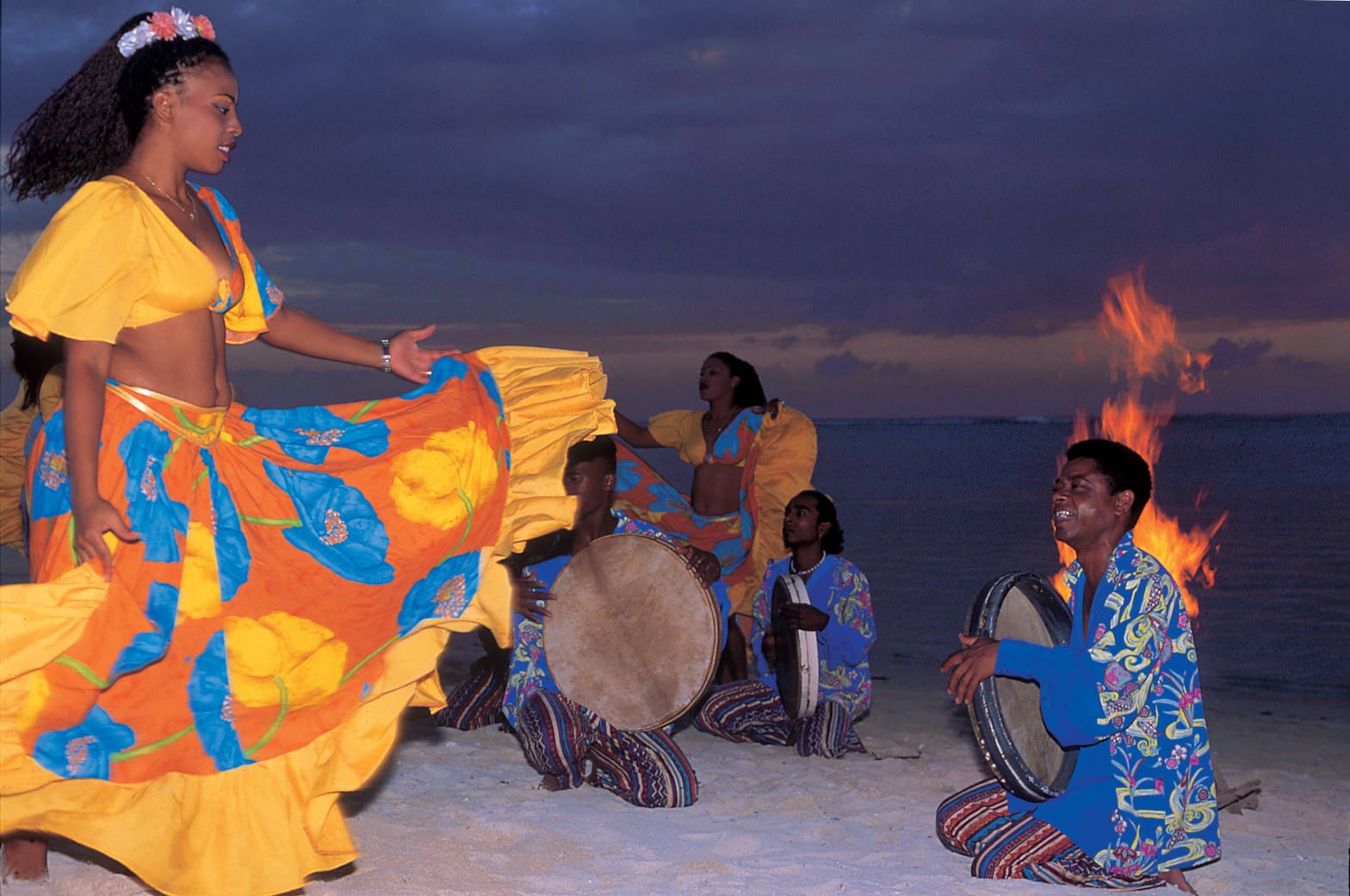
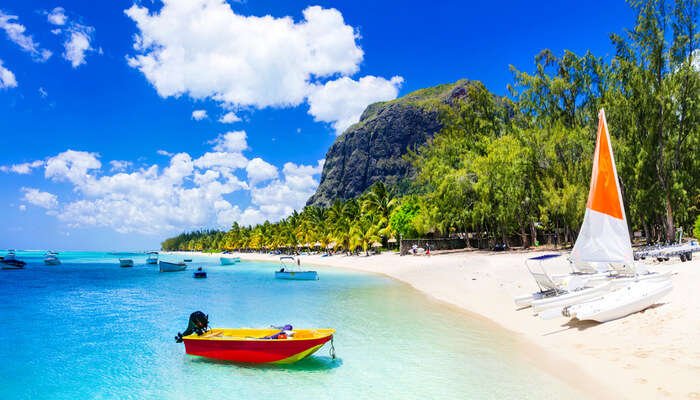
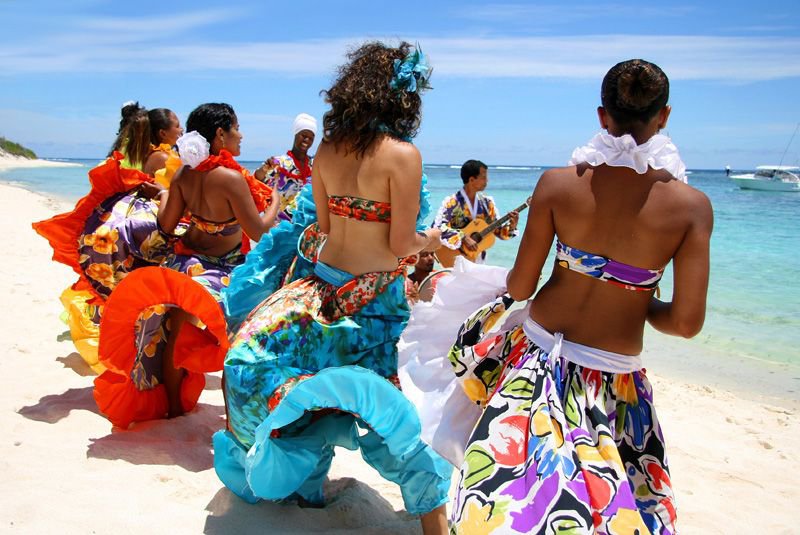
Mauritius,the Beautiful African Island with lovely People

Officially known as the Republic of Mauritius, Mauritius is an island country in the Indian Ocean off the southeast coast of Africa. It is a volcanic island with lagoons and palm-lined beaches, and the majority of its coastline is surrounded by coral reefs.

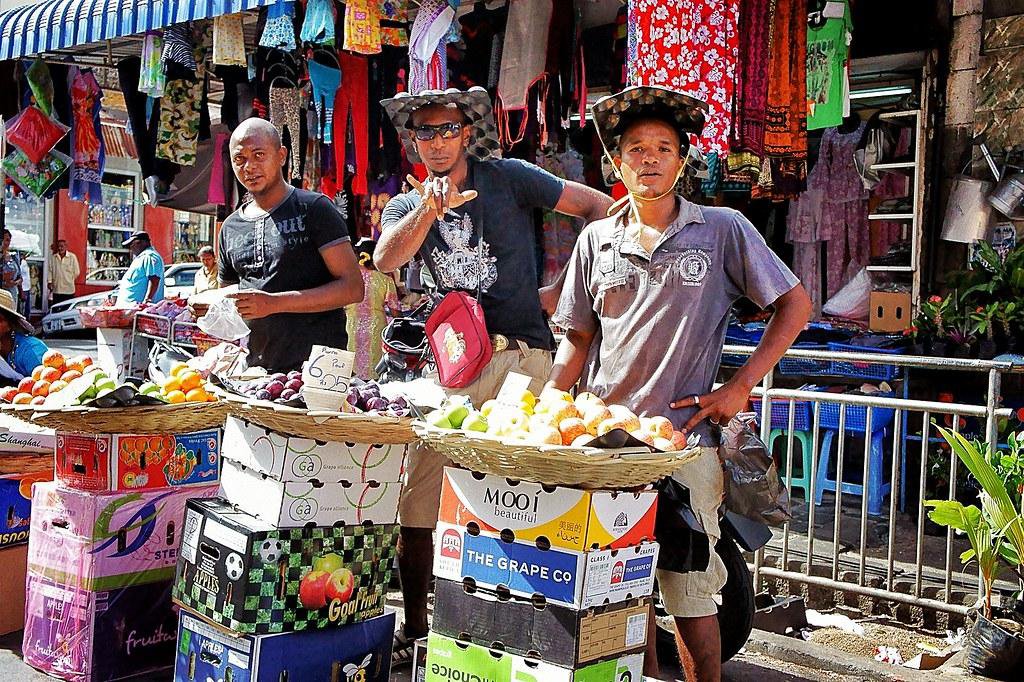
The  citizens of this Island country are called Mauritians.Mauritius is a multi-ethnic country with significant populations of South Asian(mostly Indians), Sub-Saharan African, European, and Chinese ancestry. There are also significant populations of people with mixed ancestry from any of the aforementioned ethnic groups.

Mauritians are renowned for their wonderful outlooks on life, their joy, and their lack of stress. They are typically hospitable, proud, joyful, immensely sociable, courteous, self-assured, satisfied, and serene. The three languages that are most widely used are English (which is taught in schools and is used in the government and for administrative tasks), Mauritian Creole, and French (which is actually more common today than English in the press). However, there are also a number of Indian and Chinese dialects that are spoken.

Although many Mauritians are multilingual, Mauritian Creole, the unofficial “national language” that developed from French in the 18th century, is unquestionably the most commonly spoken language in the nation.

At the moment, Mauritius has 1.2 million residents, with the majority of them living in urban areas.

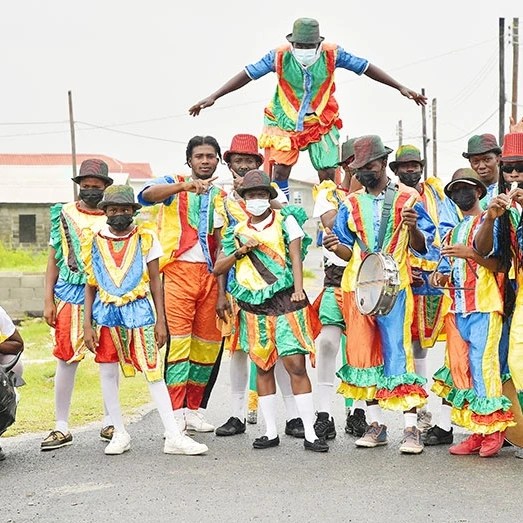
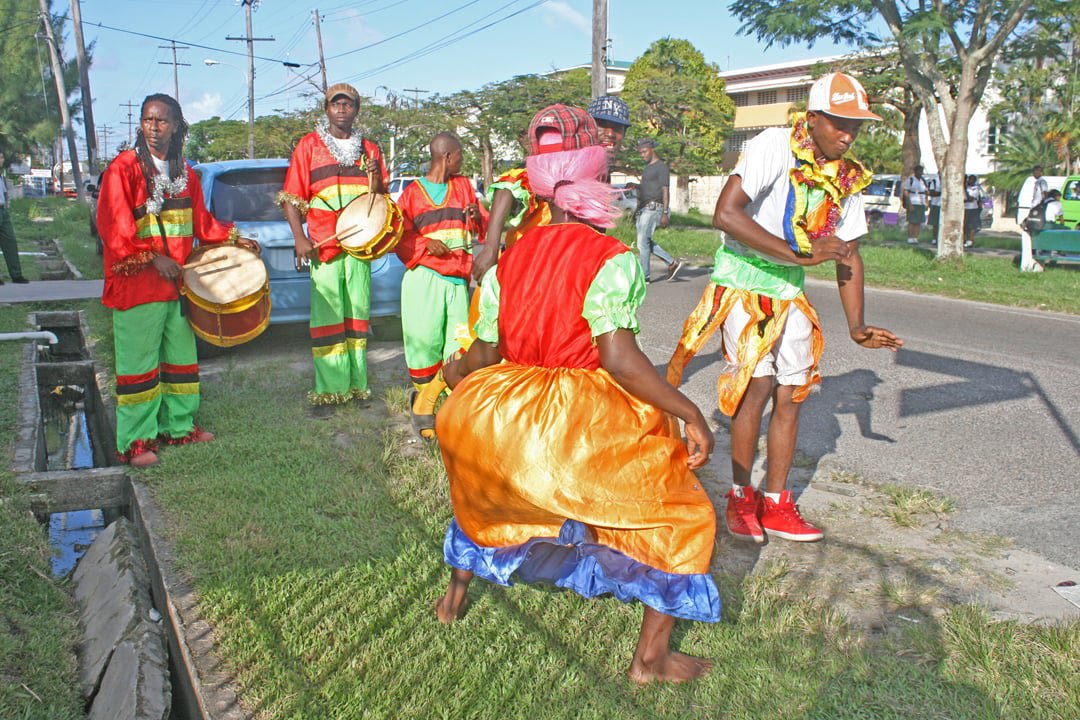
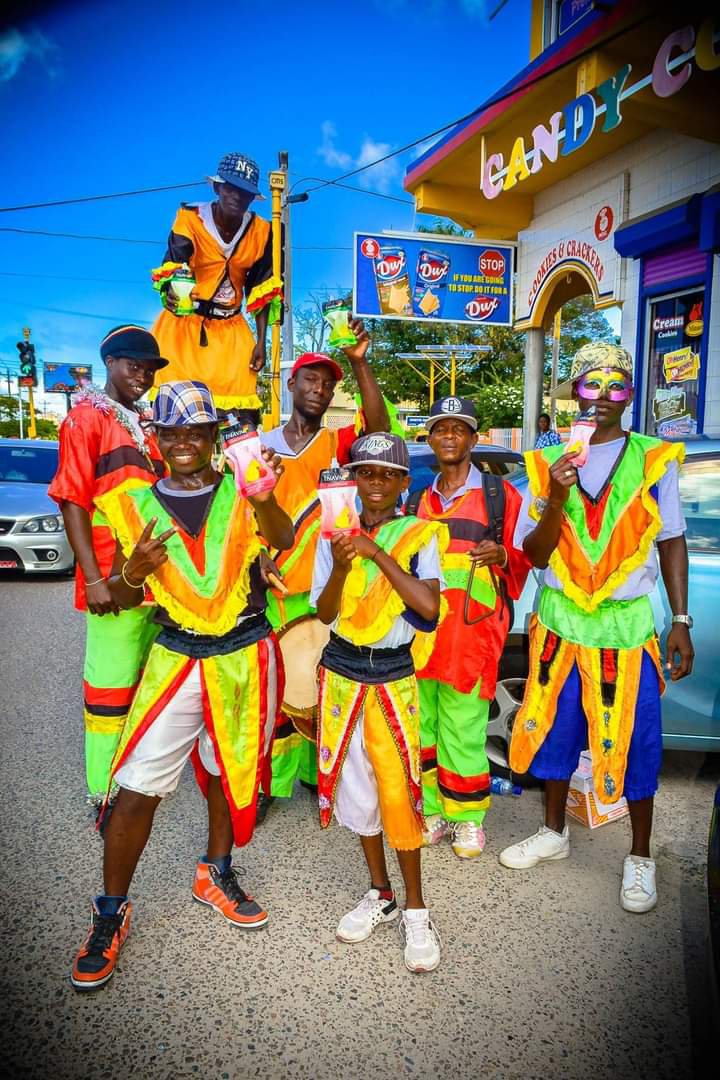
Christmas,Guyana’s Masquerade Season..

Every year”s Christmas in Guyana is another time for masquerades to hit the streets of towns and cities to celebrate their African origin and traditions in grand style..

This tradition of Masquerades is said to have come from the West African tribes of Yoruba and Ibo in Nigeria.

According  to history  this beautiful festival is thought to have been a component of numerous traditions  of African captives transported to that part of the World during the slave trade.Slaves were mostly prohibited from practicing anything related to their native African customs.However, during Christmas, they were given the chance to celebrate along..

The African natives  took this as an opportunity to visit other plantations and celebrate with others during the season.Drumming and dancing on the street  were equally permitted during this time..

In many West African countries,the  Christmas comes during the Harmattan(a dry,dusty wind blowing season).These were actually the time where the Yoruba and Igbo tribes celebrate crop harvest festivals which demonstrated by dancing,drumming,colourful customes and

masquarades.Masquarades are believed  to be representatives of African gods and ancestors during the festive seasons..

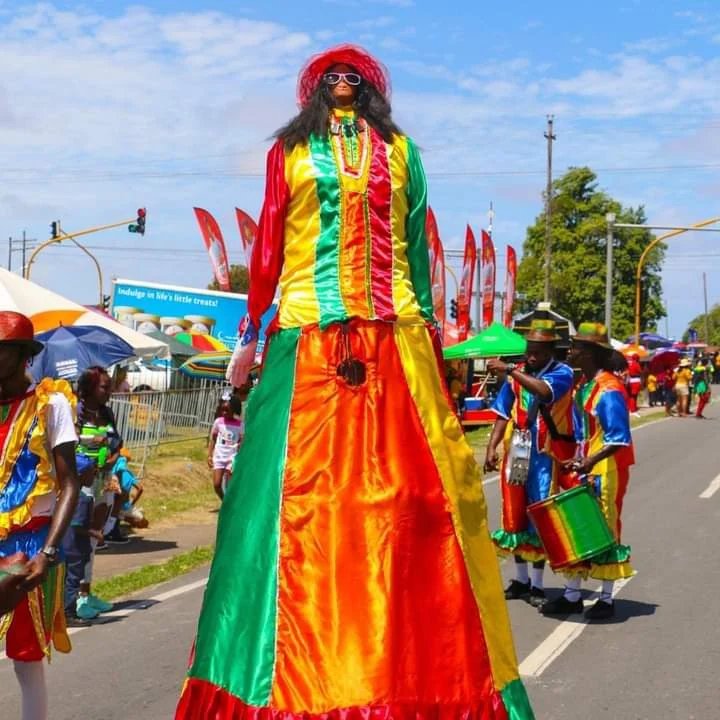
Just as their African ancestors did,they tried to produce  something similar and that’s how come the masquarades bands in Guyana came about.Some popular elements  of the masqurade bands are bull cow,the long lady,stilt dancers and the founcers.

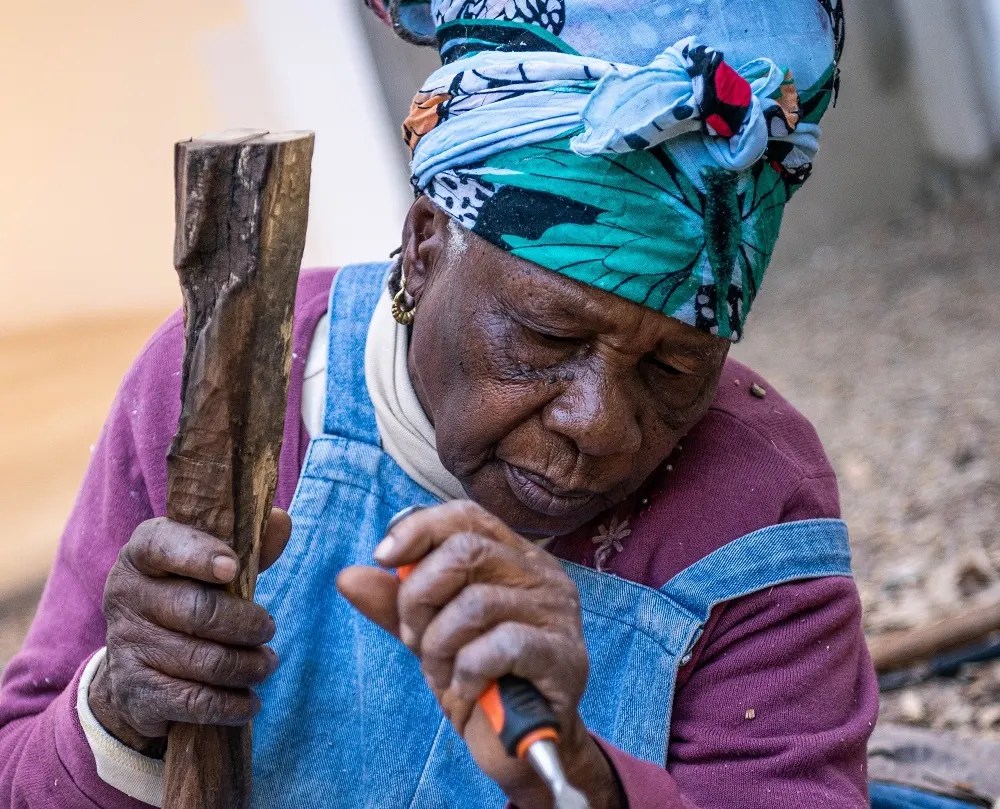
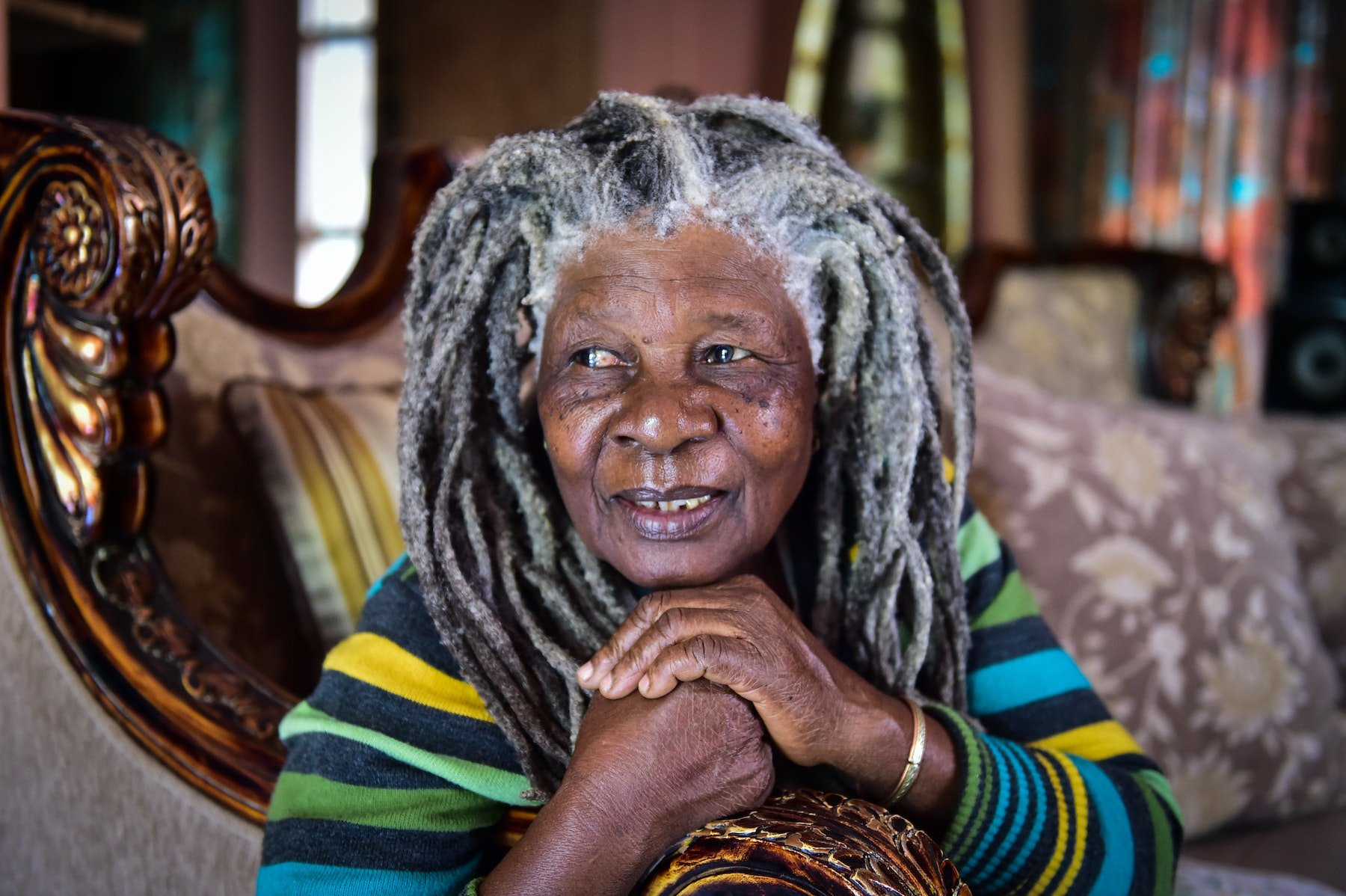
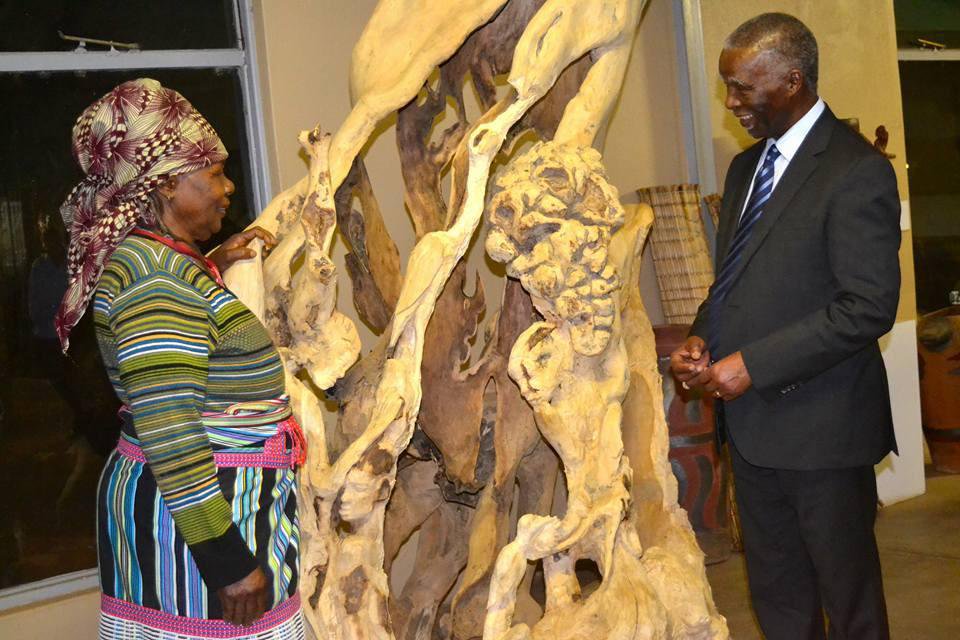
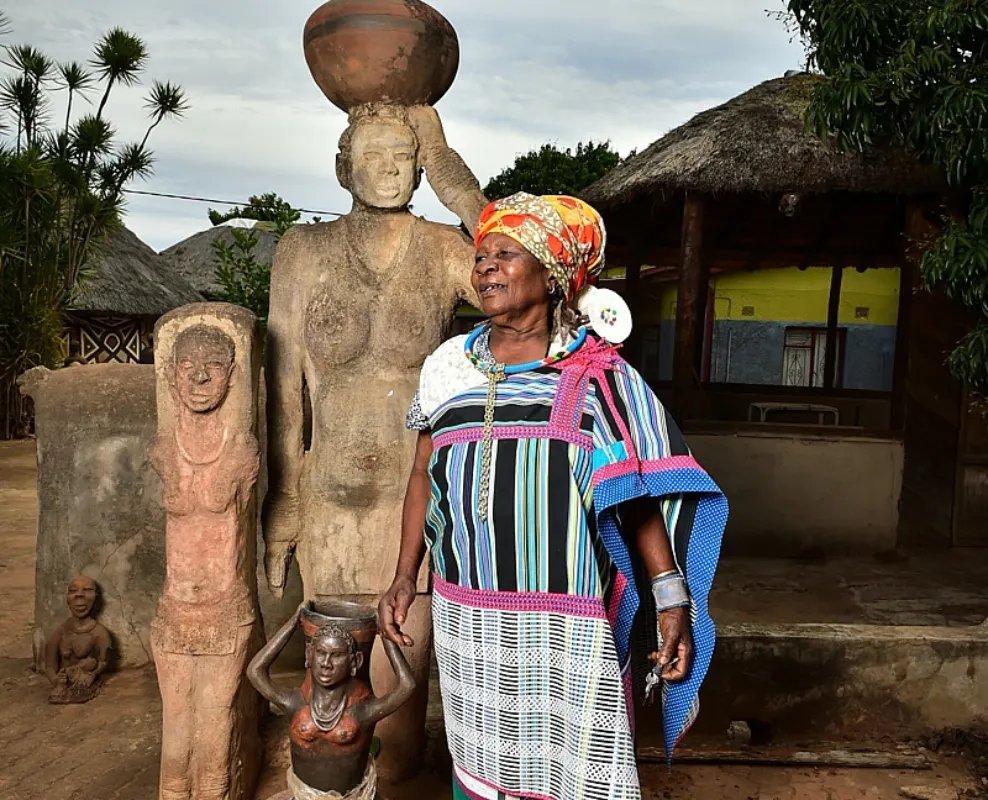
Meet Noria Mabasa,an art genius who promotes feminism and African culture through wood carvings.

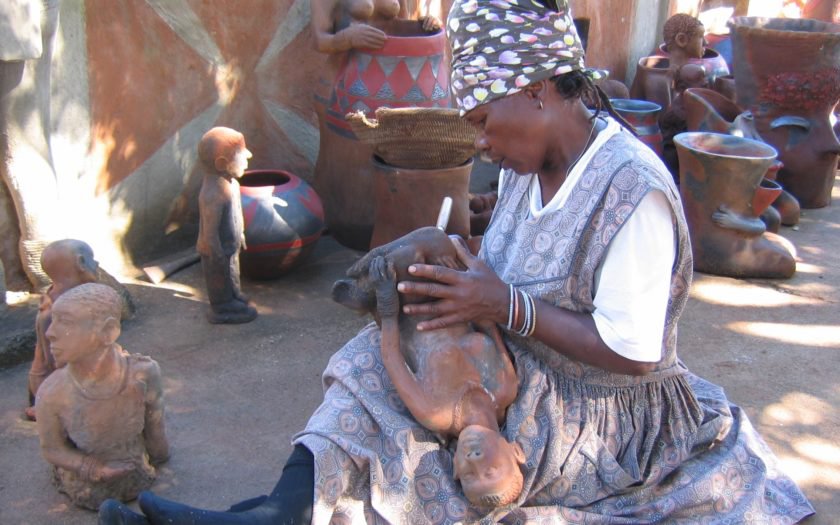
Noria Mabasa,now 84 hails from Xigalo,Limpopo province in South Africa.She had been into the arts of ceramic and wood sculpture works for over 5(five) decades.

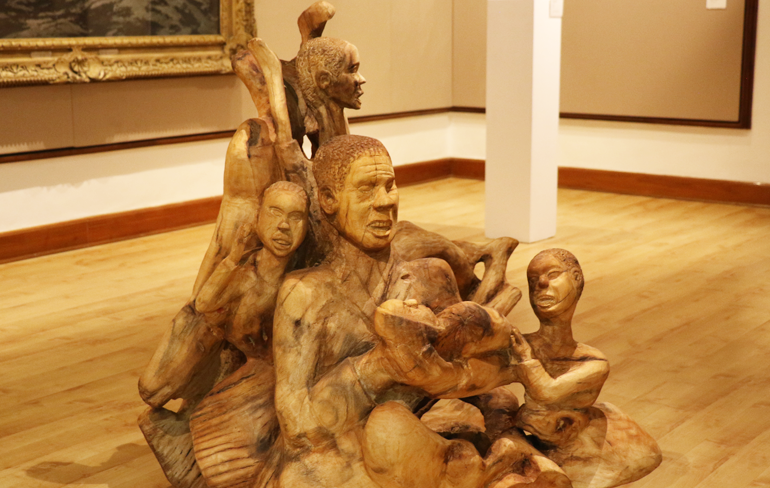
She is known to be one of the pioneering women in the arts of wood carving in South Africa.Though she never received any formal education in this field,her art works have gained a lot of recognition both nationally and international.

Her native Venda mythology, spirituality, and customs are shown in carvings. Her works also offers insight into the day-to-day experiences of the women, kids, and infants in her hamlet.

She portrays the challenges women endured during the infamous apartheid system in her nation, including violence, loss, and displacement, while tackling questions of race and gender. Her works also give women the confidence to speak out against issues of abuse, discrimination, and violence.

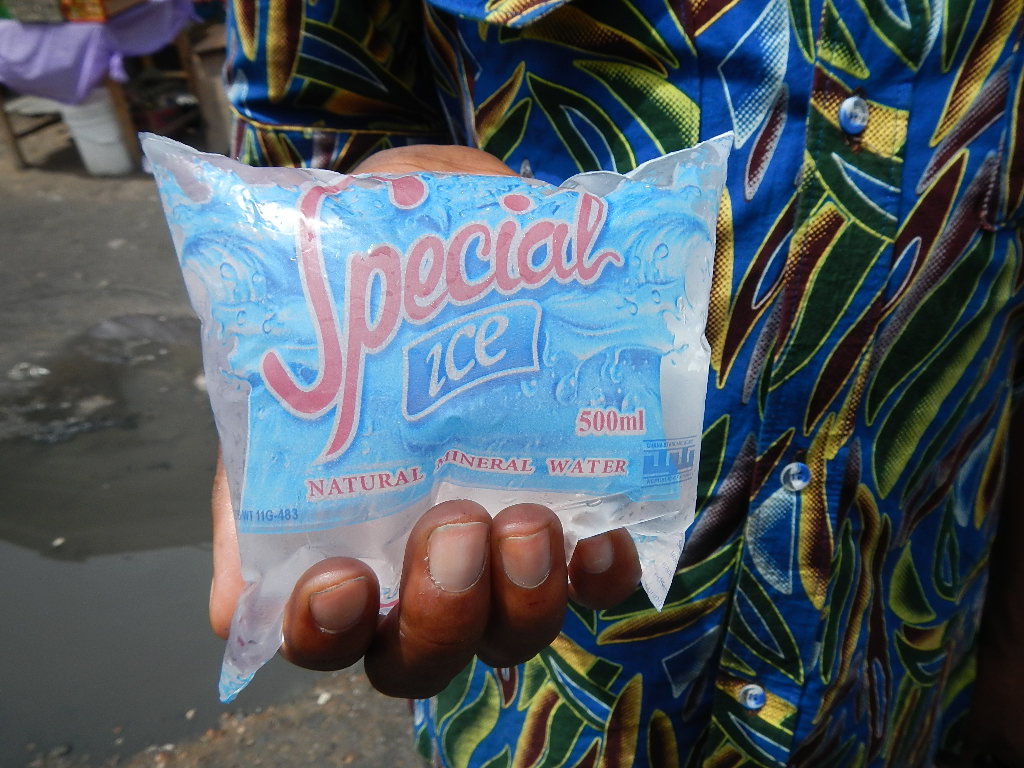
Drinking Water,New Luxury in Ghana ?

Drinking water gradually becoming a luxury in Ghana as stakeholders project sales to go up by 9.0 Ghana cedis per bag with 3 cedis going for one bottle.This comes in tangent with the West African country’s increasing rate of inflation which currently stands at 33.9% in the month of August with announcement of a likely increase in transport fares once again in a 30% rate.

The little West African country with mass mineral resources currently stands as the country with the second worst currency in the world and worst in Africa per reports by bloomberg.

The Ghana cedi is only ahead of the Sri-Lankan rupees globally.The Ghanaian government seems to have lost control over the economy as goods and services keep skyrocketing in the country where national minimum wage currently stands at 13.53 cedis(1.4 dollars) per day thereby bringing hardship to the working class whose salaries remain same with depreciation in the currency.

Source:Afrikan Tower

Design a site like this with WordPress.com
Get started