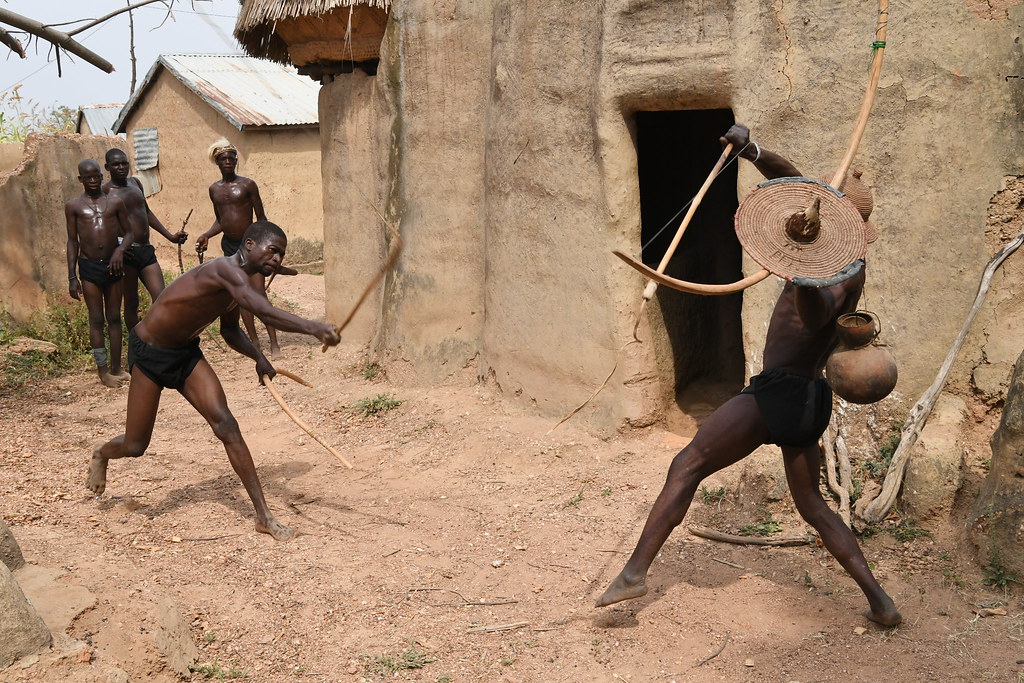
The Batammariba or Tamberma are an agro-pastoral tribe found in the north-eastern section of Togo, West Africa, at the foot of the Atakora mountain at th Koutammakou region.Their territory extends all the way to Benin, where they are known as “Somba” people.The Tamberma have “Ditammari as their native dialect.The Batammariba people migrated to their present from the West African region now known as Burkina Faso between the 16th and 18th centuries.
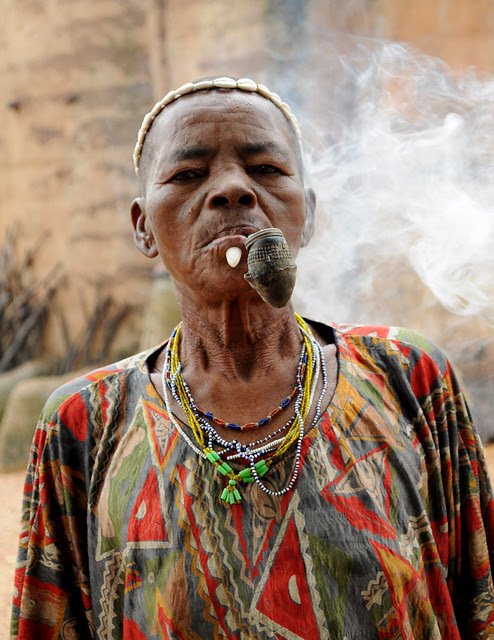
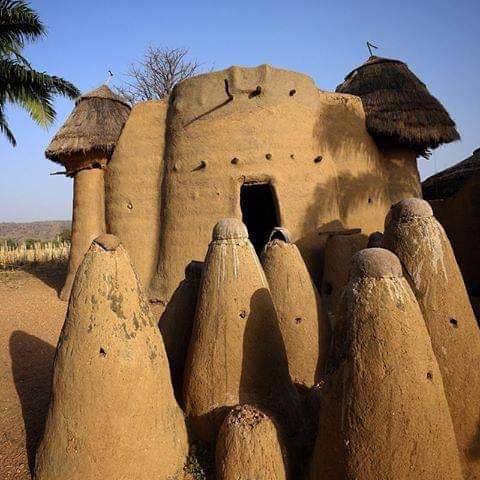
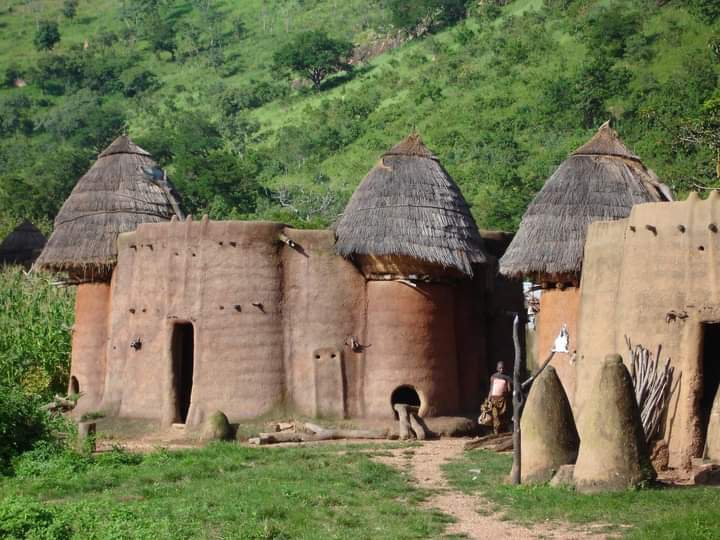
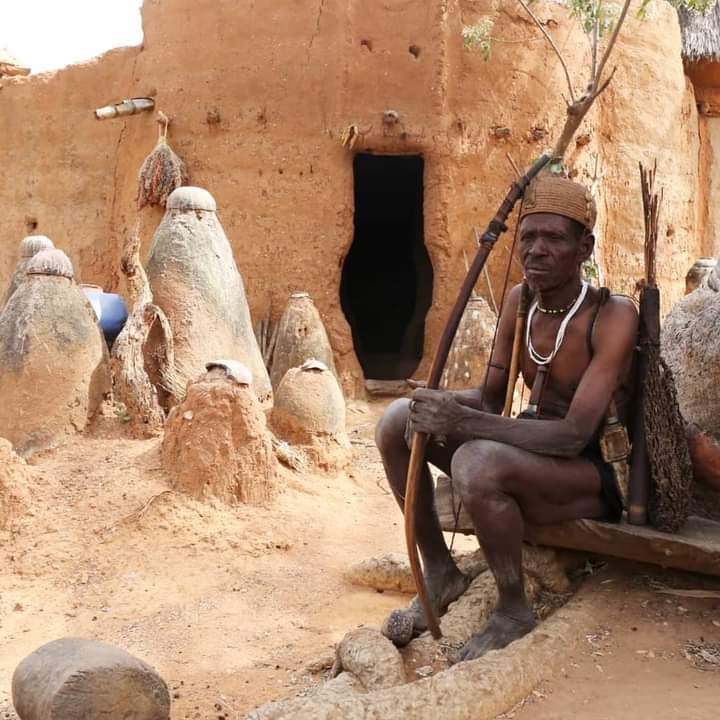
Batammariba translates as “real builders of the earth.”These Africans live in storey native houses literally called “Tata Somba” that resemble miniature castles, with the lower level serving as a storehouse and for housing livestock with the top serving as a cooking area and bedroom.Grain storage is done in the towers.This architecture was developed by natives to protect them from western slave raiders and enemies.
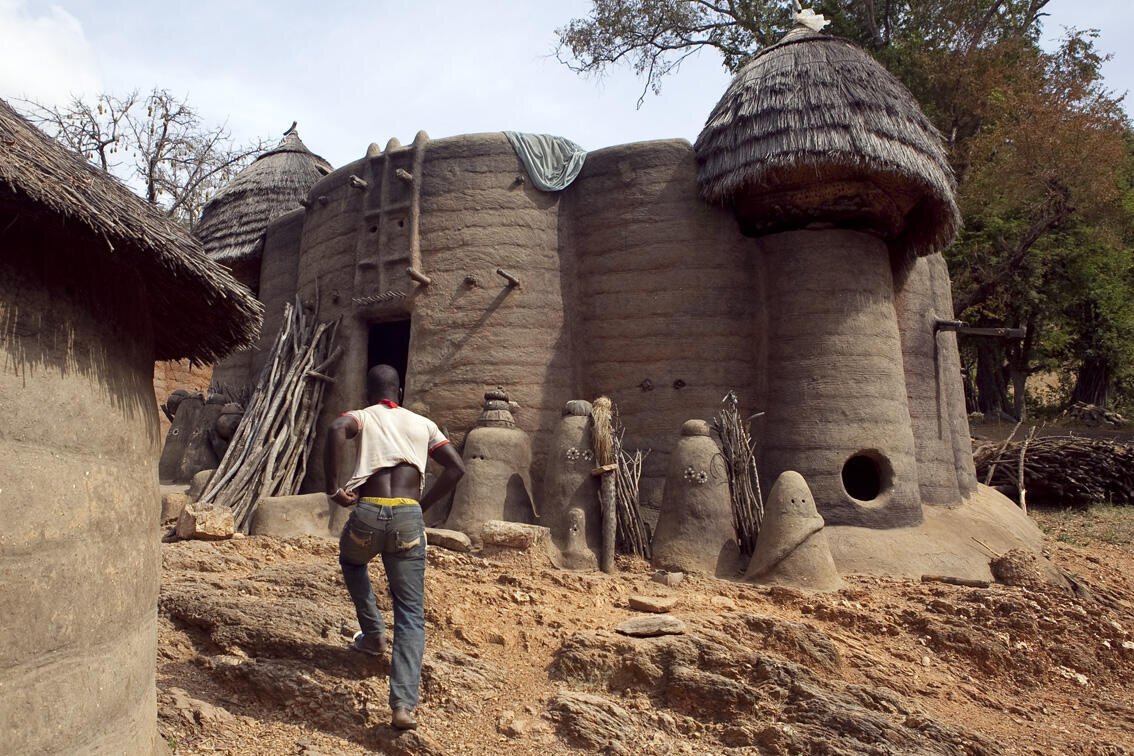
They are individuals of ancient traditions.They believe in deities with their traditional beliefs revolving around a single Supreme Deity, Kuiye, the sun god who they believe created both gods and humans.
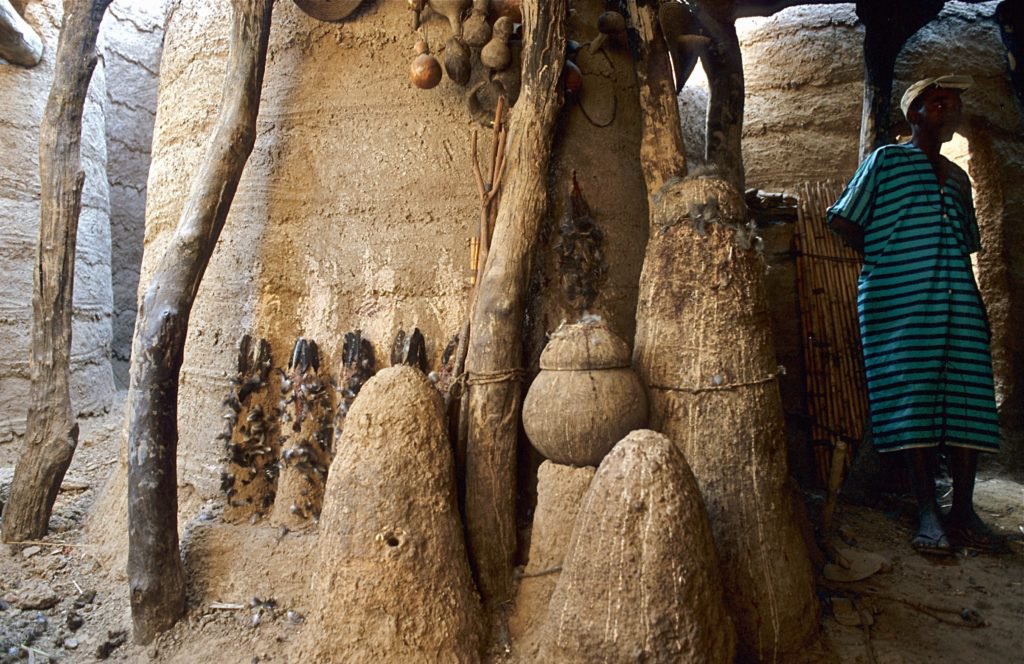
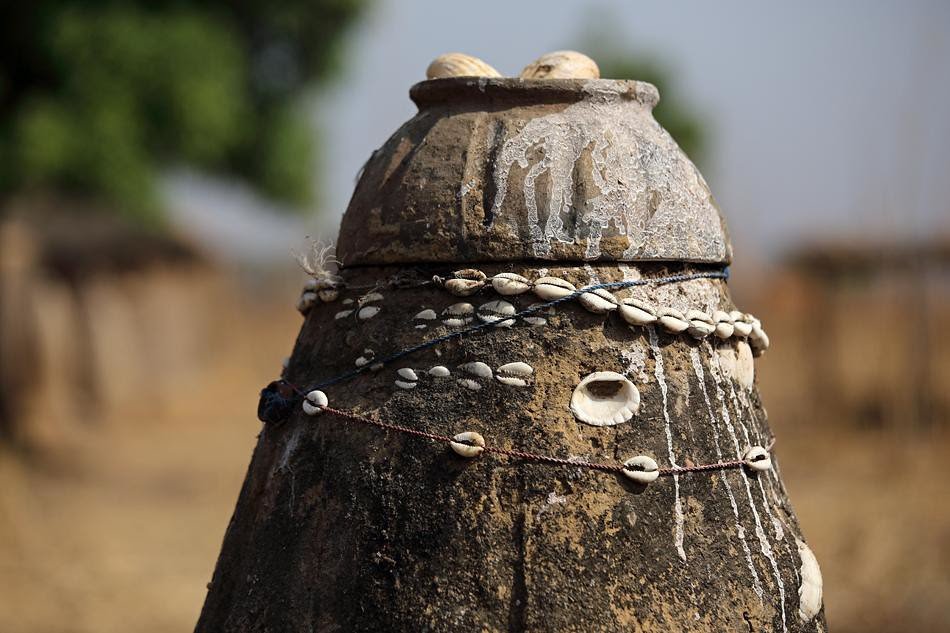
Kuiye is said to look like human beings, however he also has the status of both masculine and female, hence the deity is commonly referred to as “The Sun, Our Father, and Our Mother.” Next second most revered diety is Butan the earth goddess believed to be in charge of everything on earth then the hierarchy moves on to Oyinkakwata,the Sky god with many others coming afterwards. They also believe in ancestral spirits just like many other believers of African spirituality. In most traditional customs, they show great reverence for and connection with their ancestors.Each home’s triangular entryway is also guarded spiritually by ancestral shrines (liboloni) with phallic shapes.Phallic shaped fetishes are also built at the entrance of every home to honour family members and for luck as well.
Within their precise society, the Tamberma men tend to the cattle while the women tend to the goats and fowl.Men weed the land and undertake the majority of the planting in farming, with minimal help from women.
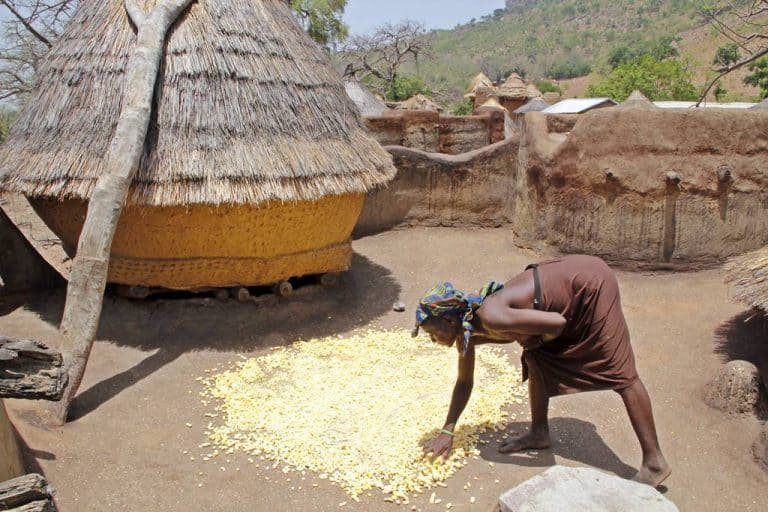
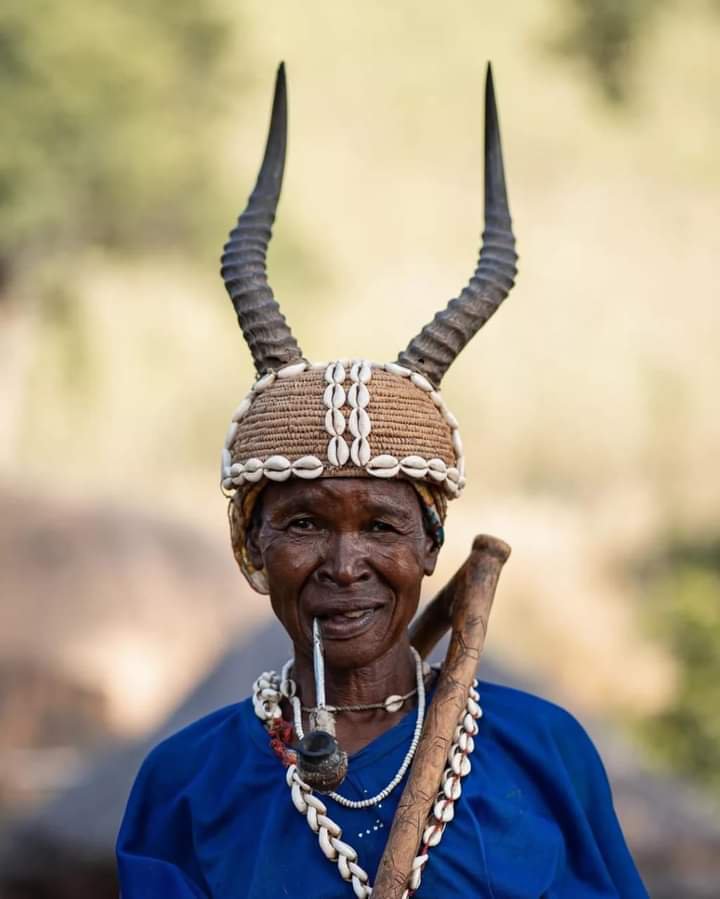
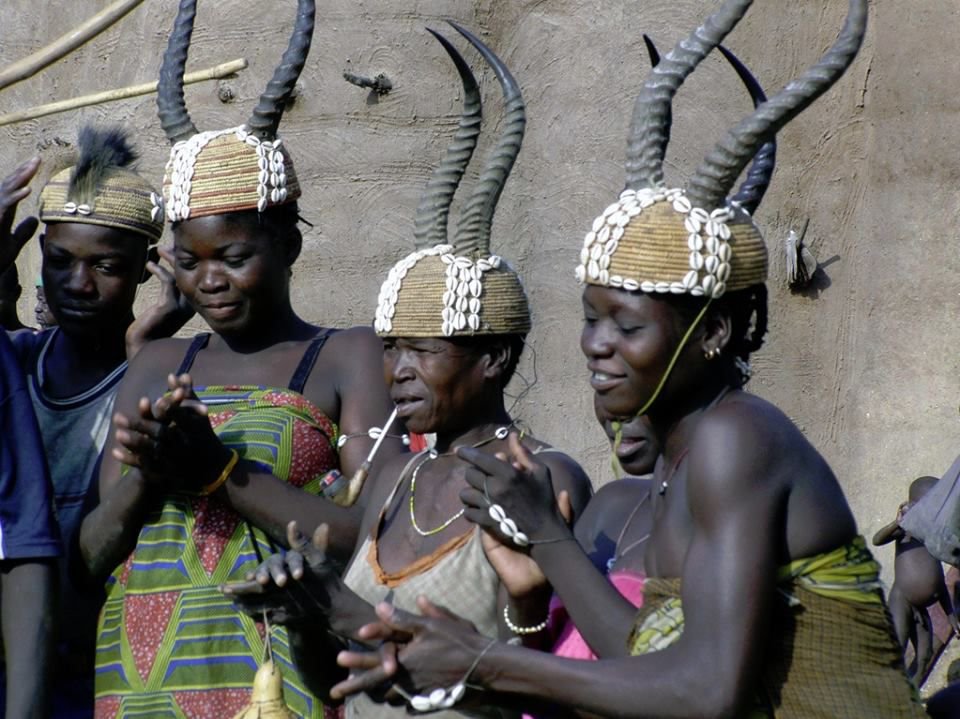
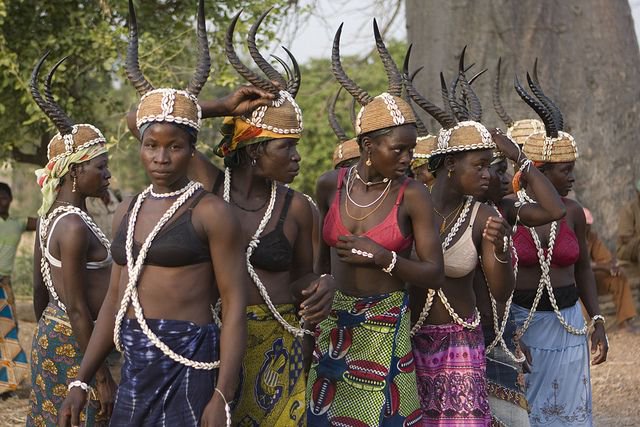
Housework is also done by women and their children.The Tamberma people regard the Antelope’s horn headdress as a sign of womanhood.As a result, they are usually worn by women and girls between the ages of 16 and 18 during their initiation rites into womanhood.
 The Black Tower